Feeding Picky Kids: Flavor Deconstruction, Sensory Separation, and Texture Predictability
How to cook ONE family dinner that satisfies adults and toddlers without double-cooking
- [1]Toddlers and young children have 300% more taste buds per square millimeter than adults; complex mixed sauces create sensory overload.
- [2]Neophobia (fear of new foods) is triggered by visual ambiguity (e.g., casseroles where ingredients are hidden or mixed together).
- [3]The 60-Second Pull-Aside Rule: Remove plain, un-sauced portions of protein and carbs for kids *before* stirring in bold spices, chilies, or pungent cheeses.
- [4]Serve meals "Deconstructed" (divided compartments on plate) to give children visual predictability and autonomy.
The Neurosensory World of Picky Eaters
Parents often assume picky eating is behavioral defiance. Developmental psychology and sensory biology show otherwise:
- Taste Bud Density: Children have significantly higher taste receptor density on their tongues than adults. High bitterness (in brassicas) and heat (capsaicin) taste violently intense to young palates.
- Visual Ambiguity & Food Neophobia: In ancestral biology, unknown mixed foods presented potential poison risks. Children instinctively distrust heterogeneous mixtures (casseroles, stews, layered curries) where individual ingredients cannot be visually verified.
- Texture Sensitivity: Children crave texture predictability. A crispy nugget or distinct raw carrot is safe; a soggy mystery vegetable in gravy triggers tactile rejection.
The 3 Rules of Zero-Double-Cooking
You should never cook two separate meals (e.g., chicken nuggets for the kids while you make chicken piccata for adults). Instead, use Operational Deconstruction:
Rule 1: The Pre-Sauce Extraction (60 Seconds)
- When searing chicken or pork cutlets, pull 2 plain cutlets out of the skillet onto the kids' plates at Minute 10.
- Now, proceed to deglaze the pan with white wine, capers, lemon juice, and heavy cream for the adult plates.
- Time added: Zero seconds. Everyone eats the same protein.
Rule 2: Compartmentalized Serving (Component Plating)
- Rather than tossing pasta, sausage, broccoli, and parmesan together in the skillet:
- Plate the elements in separate piles: plain buttered pasta in Pile A, sliced sausage in Pile B, roasted broccoli florets in Pile C.
- Give the child a small cup of sauce for dipping. Control and predictability eliminate table battles.
Rule 3: The "Safe Harbor" Anchor
- Always include at least ONE guaranteed accepted food on the plate (sliced cucumbers, apple slices, white rice, or bread).
- A safe anchor lowers anxiety, making children 4x more likely to try a bite of the main protein.
Technical FAQ
Q: What should I do if a child refuses to try the main meat?
Maintain the "Division of Responsibility" (Ellyn Satter method): The parent decides WHAT, WHEN, and WHERE to eat; the child decides WHETHER and HOW MUCH to eat. Do not offer a short-order substitute meal. Leave dinner relaxed, and they will eat at breakfast.
Tested Application Recipes
ZERO FLUFF // DIRECT EXECUTION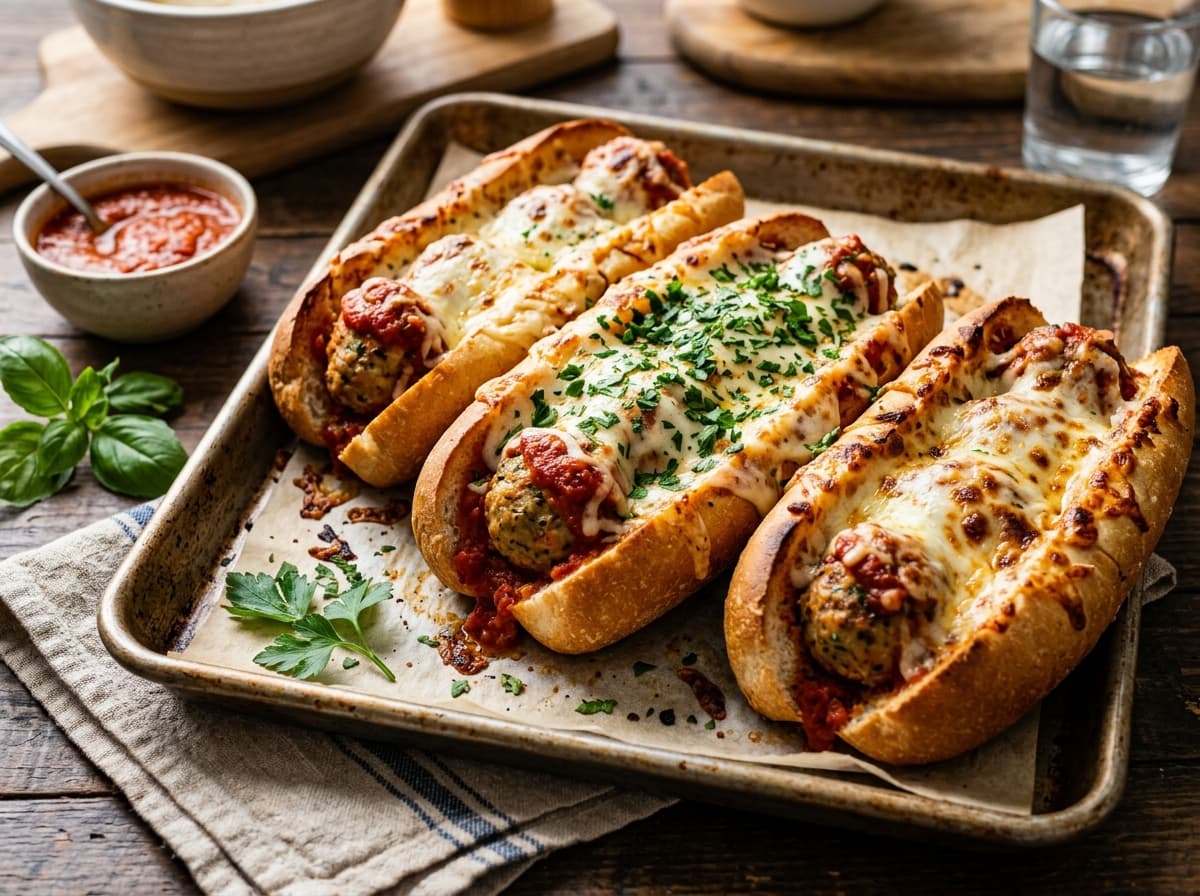
Sheet Pan Turkey Meatball Sub Melts
Feed the whole crew simultaneously with crusty toasted sub rolls loaded with juicy turkey meatballs, rich marinara, and broiled provolone.
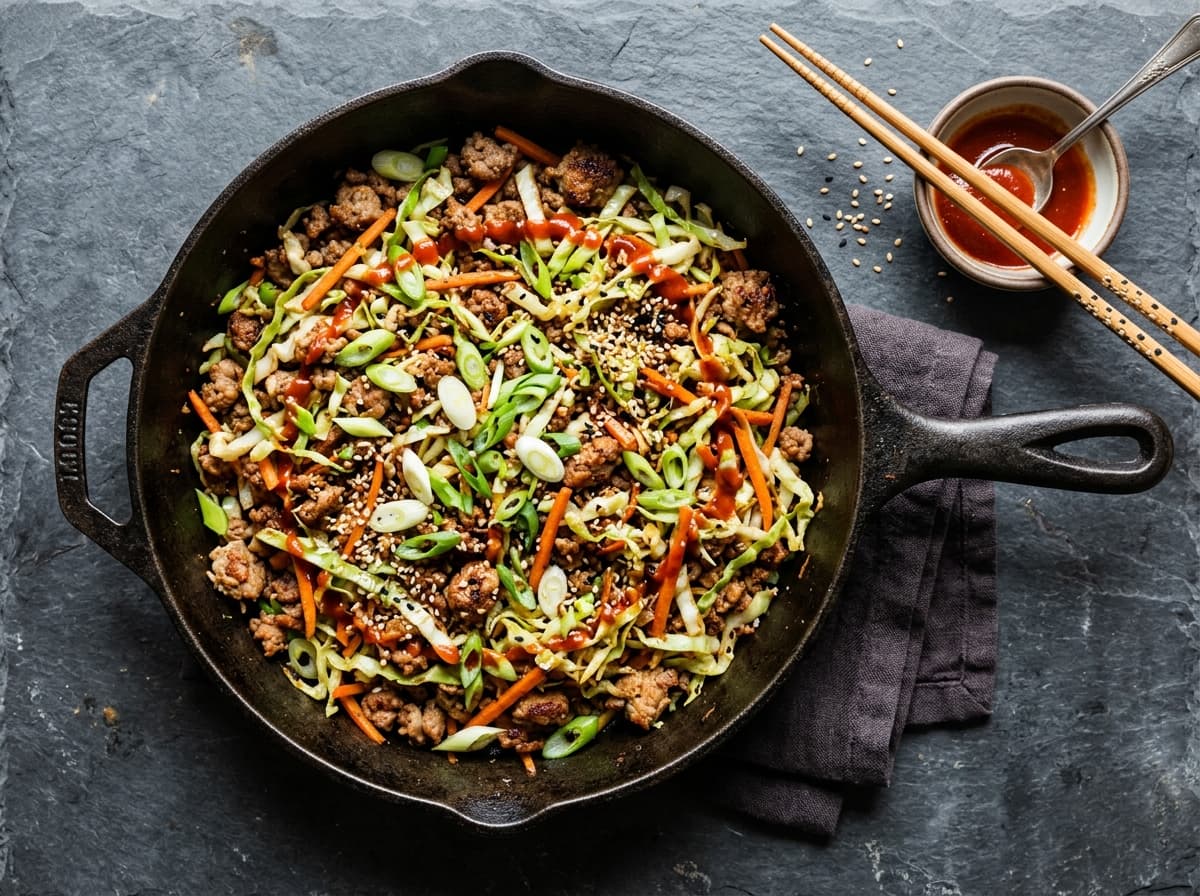
15-Minute Skillet Egg Roll in a Bowl
Savory ground pork, shredded crunchy cabbage, and toasted sesame ginger sauce in 12 minutes.
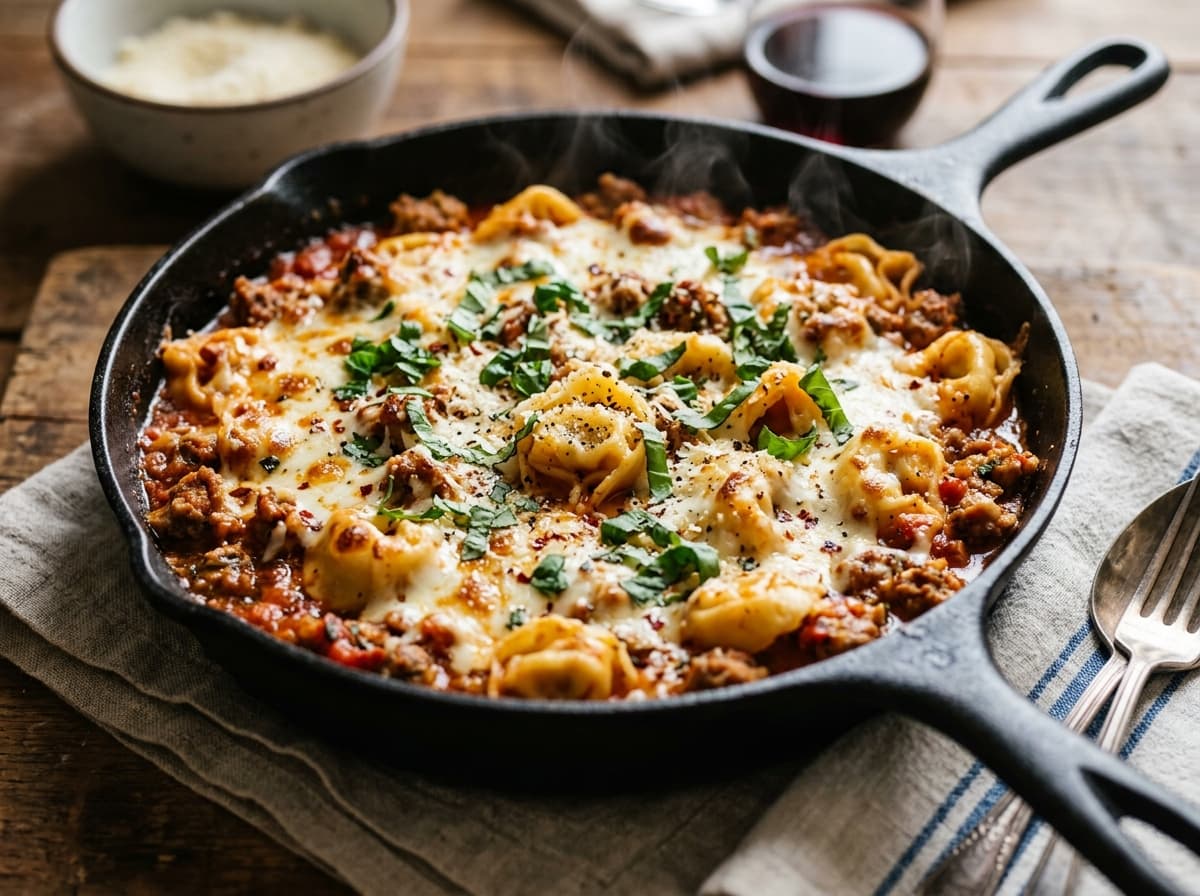
One-Pot Creamy Sausage Tortellini
Browned Italian sausage, tender cheese tortellini, baby spinach, and parmesan in a rich tomato cream sauce ready in 15 minutes.