The 3-2-1 Rib Method Deconstructed: The Physics of the Texas Crutch (and When to Skip It)
Why 2 hours wrapped in foil turns ribs into mush and how to achieve perfect competition-grade bite
- [1]The "3-2-1 Method" (3 hrs smoke, 2 hrs wrapped in foil, 1 hr glazed) was designed for dense, thick spare ribs, not leaner baby back ribs.
- [2]Wrapping in foil (The Texas Crutch) halts evaporative cooling at the 160°F "stall" and creates high-pressure steam that accelerates collagen breakdown.
- [3]Two full hours in foil over-braises ribs, destroying the meat texture and turning it into mushy, boiled pot roast.
- [4]The modern competition standard is "Clean Bite-Through": meat pulls away cleanly from the bone without all other meat falling off.
What Is the 3-2-1 Rib Method?
The 3-2-1 Method is the most famous barbecue rib recipe in history:
- 3 Hours: Smoked uncovered at 225°F (107°C) to absorb wood smoke and establish bark.
- 2 Hours: Tightly wrapped in heavy aluminum foil with butter, brown sugar, and apple cider (The Texas Crutch).
- 1 Hour: Unwrapped and brushed with BBQ sauce to set the glaze.
The Physics of the Texas Crutch
During the initial 3 hours of smoking, meat reaches the stall (~155°F–165°F):
- Evaporating moisture cools the meat at the exact rate the smoker heats it, flattening the temperature curve for hours.
- Wrapping in foil prevents water evaporation (100% relative humidity). With evaporative cooling eliminated, internal temperatures rise rapidly through the stall.
- The foil packet acts as a miniature pressure cooker, rapidly hydrolyzing collagen into liquid gelatin.
The Problem: Over-Braising and Mushy Texture
While "fall-off-the-bone" sounds appealing in casual marketing, in culinary physics, 2 hours in foil results in:
- Boiled pork texture.
- Zero toothsome texture (meat turns to mush in the mouth).
- The bone slides out completely when picked up, tearing the meat structure apart.
The Modern Optimized Rib Ratios
| Rib Cut | Unwrapped Smoke | Wrapped Crutch (Foil/Butcher Paper) | Glaze Set | Resulting Texture |
|---|---|---|---|---|
| Baby Back Ribs (Leaner) | 2.5 Hours | 1.0 Hour | 20–30 Mins | Clean bite-through, juicy, perfect bark |
| St. Louis Cut Spare Ribs | 3.0 Hours | 1.5 Hours | 30–45 Mins | Tender, succulent, holds together |
| Beef Back Ribs | 3.0 Hours | 1.0 Hour | 15 Mins | Rich, beefy, structured |
Technical FAQ
Q: Should I use aluminum foil or pink butcher paper for wrapping ribs?
Peach/pink butcher paper is superior if you want to preserve crunchy bark. Butcher paper is breathable, allowing just enough steam to escape to protect the bark while still accelerating cook time through the stall. Foil creates a 100% wet steam braise.
Tested Application Recipes
ZERO FLUFF // DIRECT EXECUTION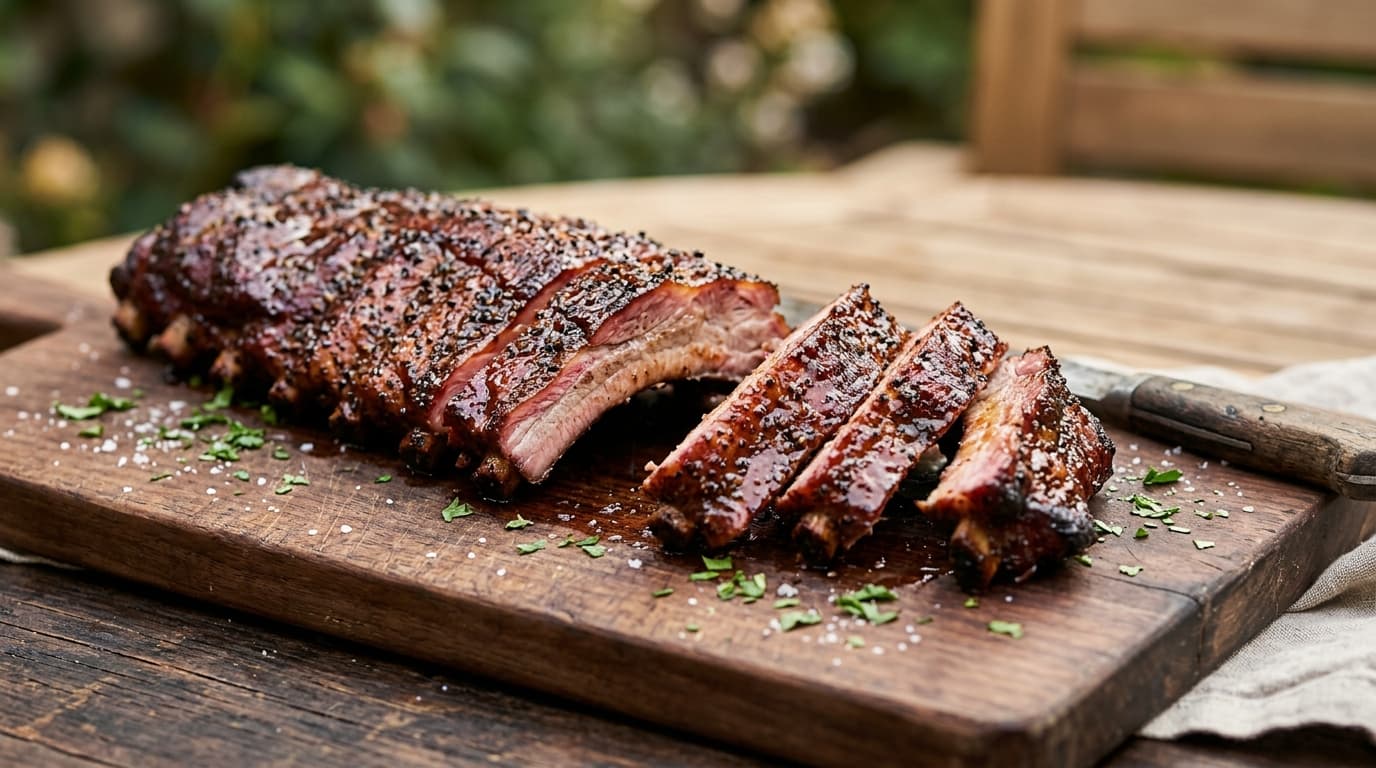
Smoked St. Louis Style Pork Ribs (3-2-1 Method)
Smoky bark, fall-apart tender ribs, and sticky caramelized barbecue glaze perfected on the pellet smoker.
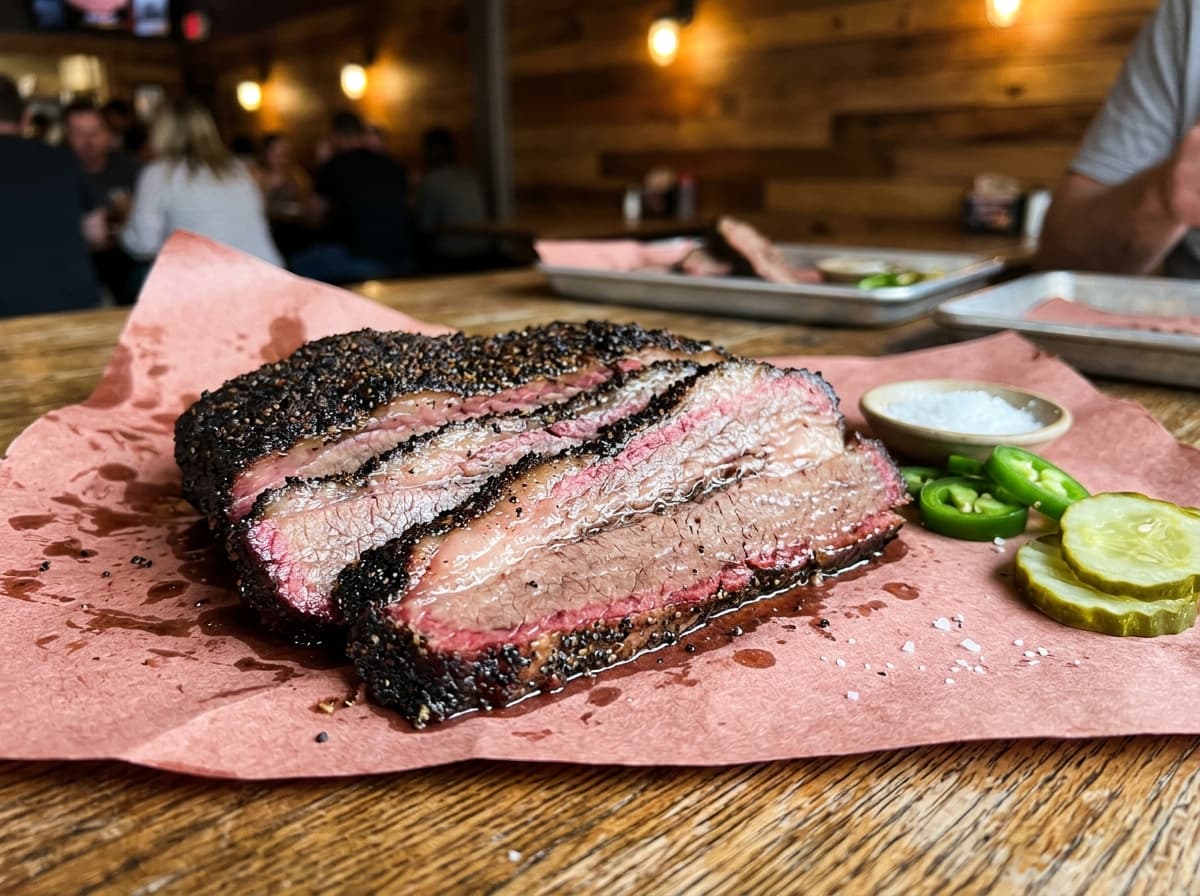
Smoked Texas-Style Beef Brisket
Whole packer beef brisket smoked low and slow at 225°F over oak wood with a coarse salt-and-pepper bark and melt-in-your-mouth fat rendering.