How to Cut Your Grocery Bill by 30% Without Eating Low-Quality Food
The 4 grocery logistics rules that stop produce drawer waste and slash monthly food costs
- [1]Food waste accounts for $1,500 to $2,000 in lost household budget annually, largely driven by perishable produce and single-use condiments.
- [2]Flash-frozen vegetables cost up to 40% less per pound than fresh, carry zero spoilage risk, and cook directly in air fryers without thawing.
- [3]Shopping exclusively by unit price (price per pound/ounce) reveals massive savings in bulk protein and pantry grains.
The Crisper Drawer Graveyard
According to USDA research, American households discard 25% to 30% of all purchased food. That amounts to $1,500 to $2,200 of grocery money going directly into the garbage every year.
The budget is rarely broken by purchasing quality steaks. It is broken by unstructured shopping: buying perishable greens without a timeline, grabbing impulse sauces for a single meal, and purchasing small high-markup packages.
Here are four operational rules that cut your monthly grocery spending by 30% without lowering the quality of your food.
The 4 Rules of High-Efficiency Grocery Shopping
1. The Frozen Vegetable Arbitrage
Fresh green beans and broccoli often spoil within five days. Flash-frozen vegetables are harvested and frozen at peak nutritional density, last for months, and cost 30% to 40% less per pound.
You can dump frozen broccoli florets straight into a preheated 400°F air fryer with a tablespoon of oil and salt. They roast crisp and caramelized in 10 minutes with zero prep work and zero waste.
2. Read the Unit Price, Never the Sticker Price
Always check the small unit price listed on the shelf label (price per pound or price per ounce).
Buying chicken breast in a family pack or purchasing grains in bulk bags frequently cuts the cost per serving in half. When you get home, divide bulk meats into individual freezer bags immediately.
3. Enforce the 5-Ingredient Anchor Rule
If a recipe calls for a specialty paste, rare condiment, or unique spice that you do not already own, substitute a standard pantry staple (such as Dijon mustard, soy sauce, garlic powder, or smoked paprika) or skip the recipe. Never spend $8 on a specialty jar that sits in your refrigerator door for nine months.
4. Shop the Outer Perimeter First
Over 80% of your cart should come from the outer walls of the grocery store: fresh and frozen meats, eggs, dairy, produce, and bulk grains.
The center aisles are engineered for high profit margins on processed snacks, packaged cookies, and boxed side dishes that spike blood sugar and leave you hungry an hour later.
The Bottom Line
Cutting your grocery bill does not require clipping coupons or eating processed filler. It requires 100% utilization of the food you buy.
Technical FAQ
Q: Are frozen vegetables as healthy as fresh produce?
Yes. Multiple agricultural studies show that flash-frozen vegetables retain equal or higher vitamin and mineral levels compared to fresh produce that has spent days in transit and storage.
Q: What are the best bulk staples to keep in a budget-conscious pantry?
Jasmine or basmati rice, rolled oats, canned black beans, canned whole peeled tomatoes, Diamond Crystal kosher salt, avocado oil, and canned wild tuna provide the highest versatility and shelf life.
Tested Application Recipes
ZERO FLUFF // DIRECT EXECUTION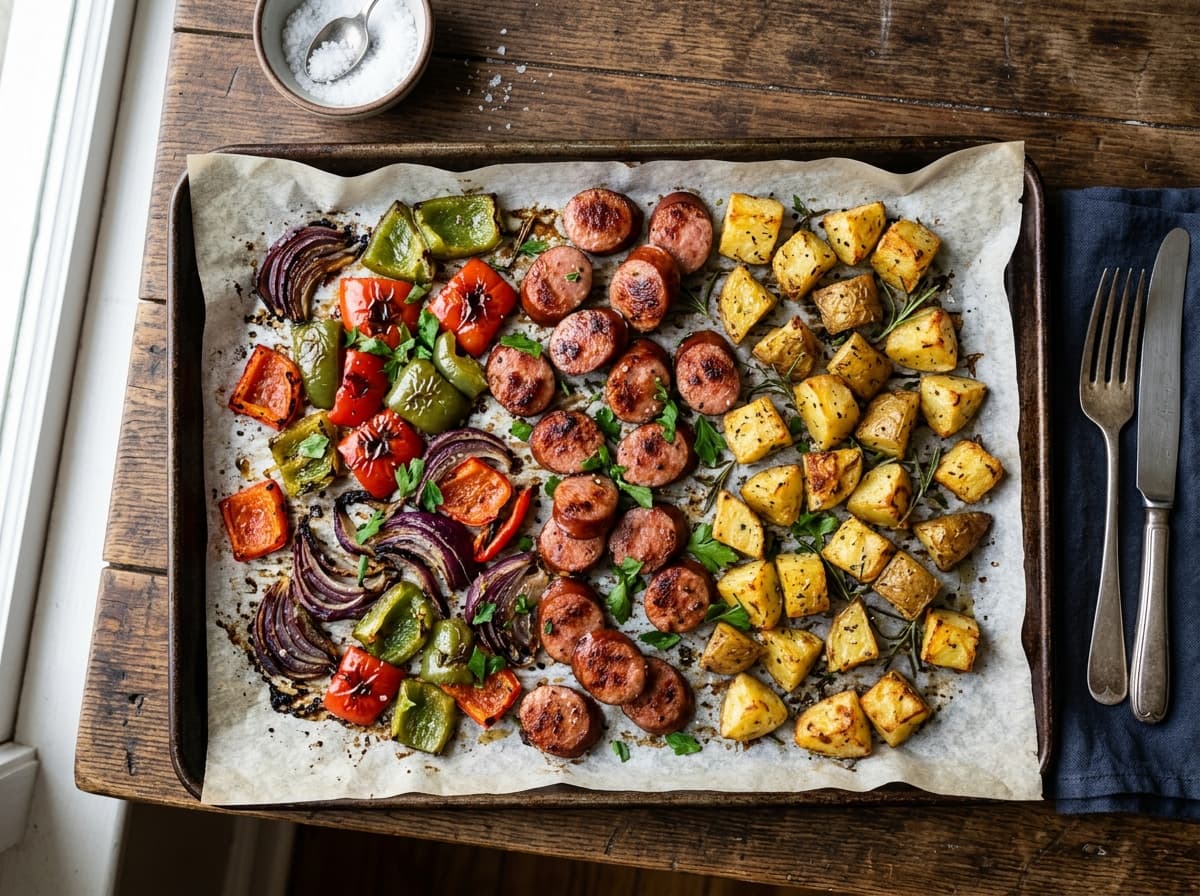
Sheet Pan Smoked Sausage, Peppers & Crispy Potatoes
Savory sliced sausage, blistered bell peppers, and golden potato cubes with zero scrubbing.
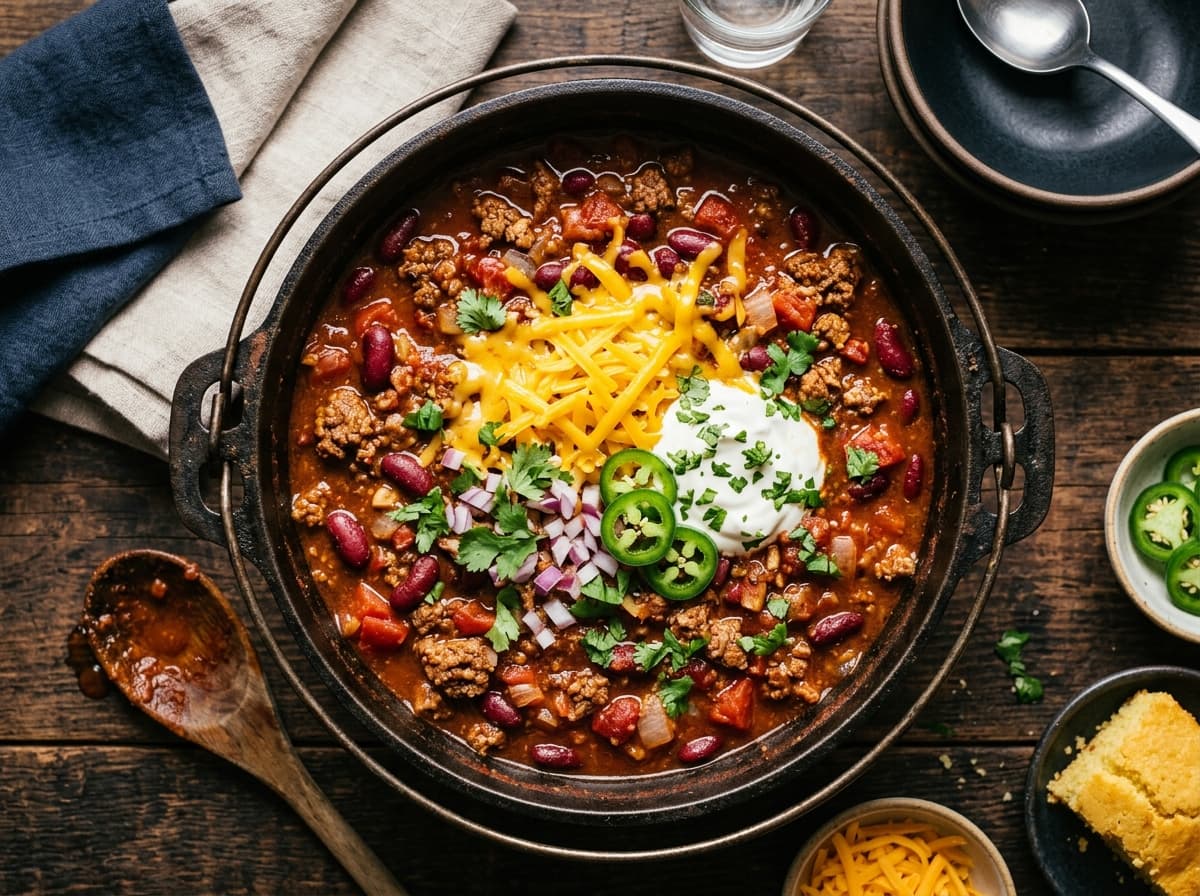
One-Pot Dutch Oven Dad Chili
Hearty ground beef, kidney beans, crushed tomatoes, and bold chili spices simmered in one heavy pot.
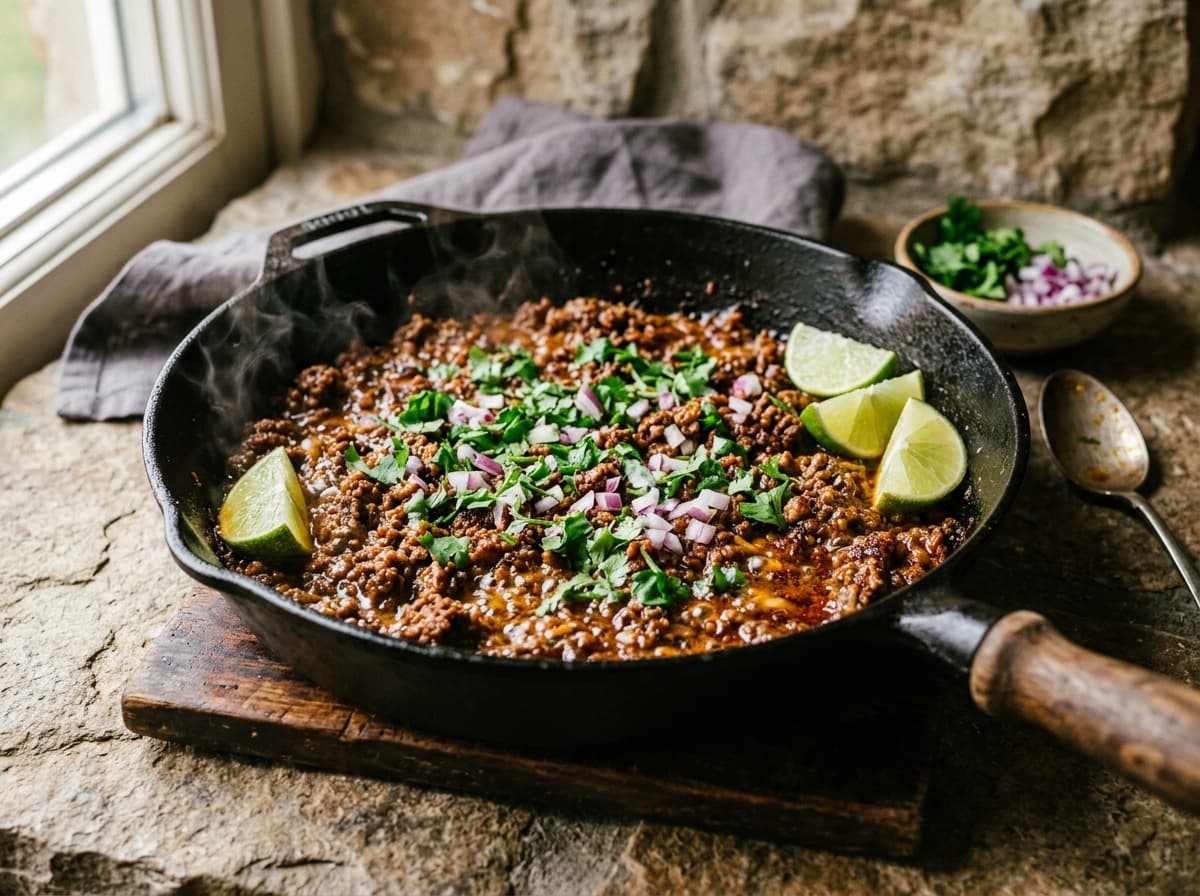
15-Minute Skillet Ground Beef Taco Meat
Juicy, seasoned ground beef from scratch in 12 minutes. Zero packet filler or starch sludge.