The Chemistry of Marinades: Acid Penetration Depth vs Surface Tenderization Limits
Why soaking chicken in lime juice overnight turns the surface mushy while the interior stays raw and unflavored
- [1]Muscle tissue is 75% water held tightly in dense protein cables; oil, sugar, and herb molecules are too large to diffuse more than 1–2mm into meat.
- [2]Only small ionic molecules (Sodium $Na^+$ and Chloride $Cl^-$) penetrate deeply into muscle tissue via diffusion.
- [3]Heavy acid marinades (citrus, vinegar, wine) left for 8+ hours denature surface proteins into an unappetizing, sour, mushy paste.
- [4]Limit acidic marinades to 30–60 minutes for surface flavor, or use a 1% salt dry-brine followed by a post-cook glaze.
The Myth of Deep Marinade Penetration
The classic cooking myth claims that soaking a 2-inch thick steak or chicken breast in an acidic marinade overnight will "infuse flavor and tenderize the meat to the bone."
In chemical reality:
- Muscle tissue is a dense, hydrophobic lattice of tightly packed protein cables (actin and myosin) saturated with cellular water.
- Large organic molecules—such as terpenes in garlic, capsaicin in chili, sucrose in sugar, and lipids in olive oil—are physically too massive to diffuse past the outer 1 to 2 millimeters (about the thickness of a fingernail).
- If you slice open a chicken breast marinated for 24 hours in soy sauce and teriyaki, the interior is stark white and untouched.
The Acid Denaturation Trap
When meat sits in a strong acidic marinade (pH < 4.0, such as lemon juice, pineapple juice, or red wine vinegar) for more than 4 to 6 hours:
- The acid rapidly denatures surface proteins, breaking structural cross-links.
- The outer 2mm layer turns chalky, waterlogged, and pulpy.
- When cooked, this outer layer cooks into a mealy, mushy, sour rind while the center remains unseasoned.
The Chemically Engineered Marinade Strategy
| Tactic | Execution | Science |
|---|---|---|
| 1. Salt Is the Only Deep Penetrator | Salt at 1.0% by weight 12 hrs ahead | Small ionic radius of $Na^+$ and $Cl^-$ allows true deep diffusion |
| 2. Slash / Score the Meat | Make 1/4-inch shallow angled slits across meat | Mechanically increases surface area for marinade contact |
| 3. High-Oil, Low-Acid Emulsion | 3 parts oil, 1 part acid, heavy aromatics | Oil clings to meat; prevents acid from chemical-burning surface |
| 4. Time Limit: 30–90 Mins Max | Marinate for fast surface coating only | Delivers high surface flavor without damaging meat texture |
| 5. Reserve Marinade for Glazing | Keep a clean portion of marinade boiled into glaze | Brushing during final 2 mins delivers 10x more flavor than soaking |
Technical FAQ
Q: Why does pineapple or papaya juice turn meat to complete mush in 2 hours?
Fresh pineapple contains **bromelain** and papaya contains **papain**—powerful proteolytic enzymes that digest and sever protein peptide chains. They do not tenderize; they chemically digest meat into liquid sludge. Always cook or can pineapple juice before adding to marinades to denature the enzymes.
Tested Application Recipes
ZERO FLUFF // DIRECT EXECUTION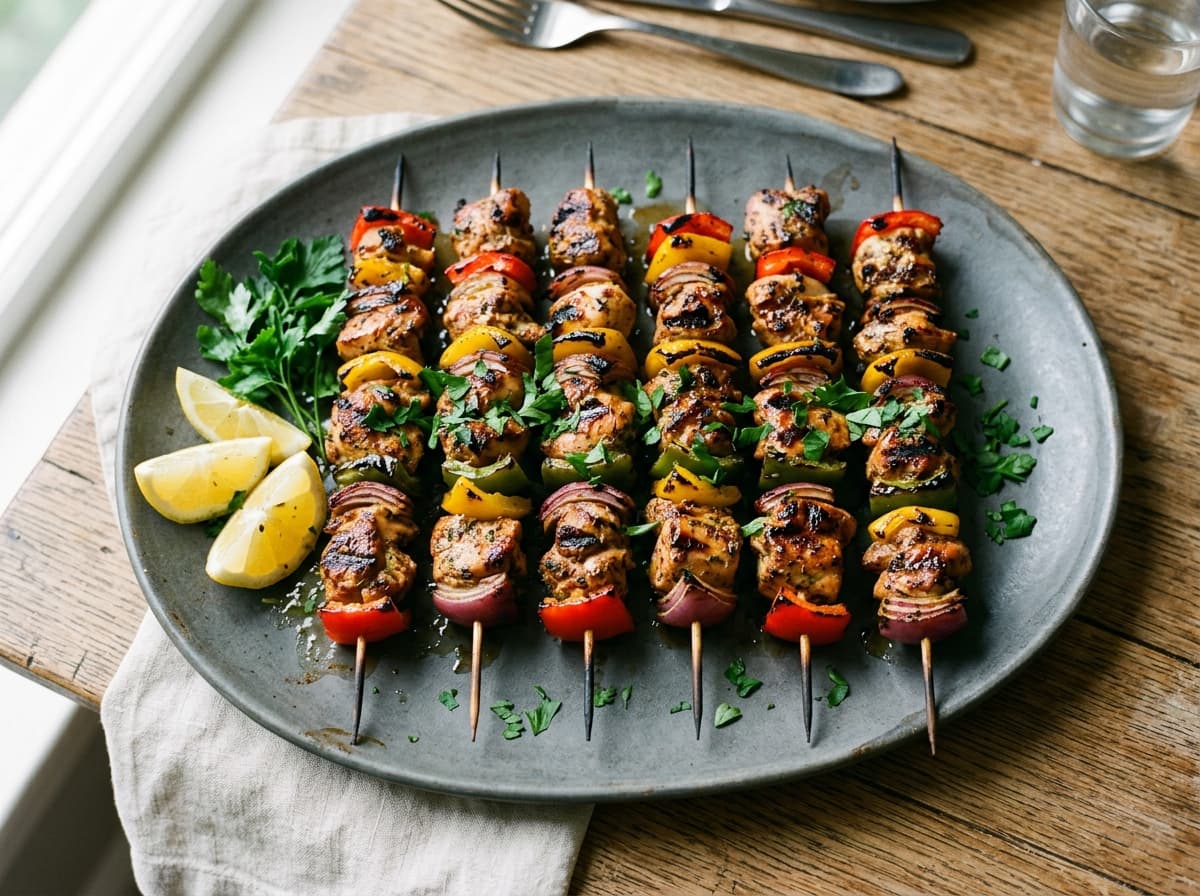
Grilled Chicken Kebabs (Kid Assembly Line)
Tender marinated chicken thigh cubes skewered with sweet bell peppers and red onions, grilled to juicy charred perfection in 14 minutes.
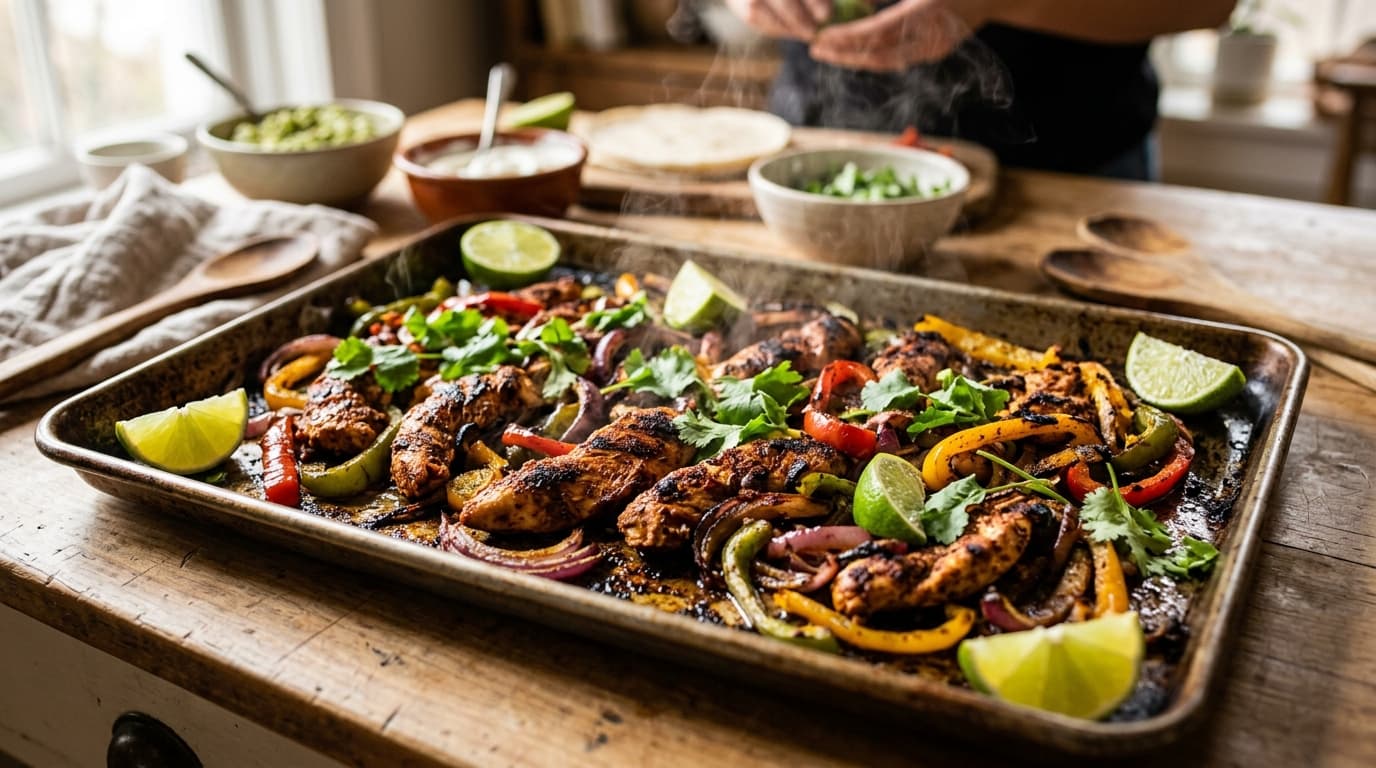
Sheet Pan Sizzling Chicken Fajitas
Tender spiced chicken breast, sweet bell peppers, and charred onions on one single pan.
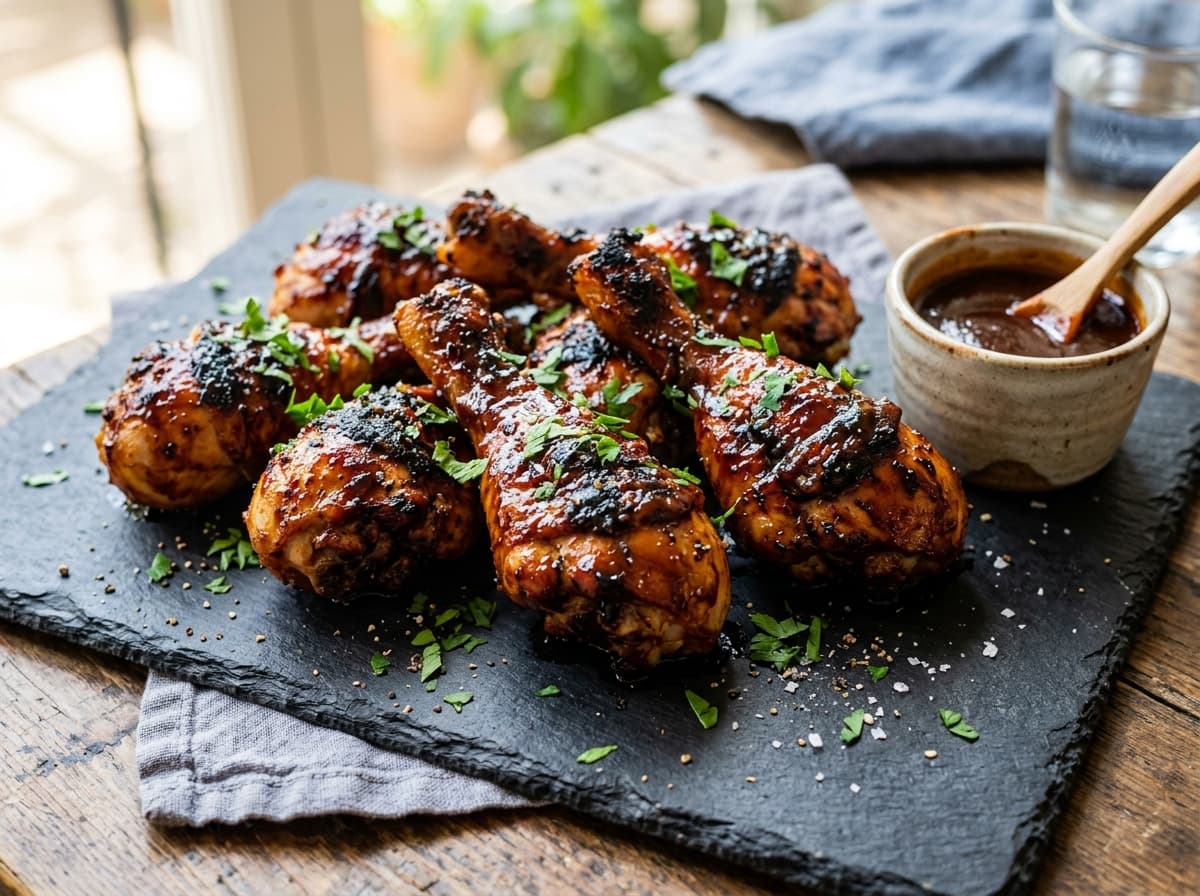
Air Fryer Sticky BBQ Chicken Drumsticks
Crispy blistered skin coated in caramelized sweet barbecue sauce in 20 minutes.