Razor-Sharp Kitchen Knives: Edge Geometry, Honing Rods vs Waterstones, and Board Materials
Why dull knives crush cell walls and how 2 minutes on a ceramic rod speeds up dinner prep by 40%
- [1]A sharp knife cuts through onion cells cleanly; a dull knife crushes cells, bursting vacuoles and releasing syn-propanethial-S-oxide (tear gas).
- [2]Honing with a ceramic or steel rod re-aligns a rolled microscopic edge apex without removing metal.
- [3]Sharpening with a whetstone (1,000/6,000 grit) grinds away worn metal to establish a brand-new razor apex at 15°–20° per side.
- [4]Glass, marble, and bamboo cutting boards dull knives in days due to excessive surface hardness; use end-grain wood or soft rubber boards.
Cell Wall Physics: Why Sharp Knives Don't Make You Cry
When cutting vegetables (especially alliums like onions and shallots), the physical sharpness of your blade directly dictates chemical reactions:
- A Razor-Sharp Knife (Edge <0.5 microns): Slices cleanly between plant cell walls. Cell integrity is preserved, minimizing the release of alliinase enzymes.
- A Dull Knife (Edge >5 microns): Crushes and ruptures cell vacuoles like a blunt wedge. The enzyme alliinase mixes with amino acid sulfoxides, vaporizing syn-propanethial-S-oxide into the air—the exact chemical compound that causes stinging eye tears.
Using a razor-sharp blade reduces onion tearing by over 80%.
Honing vs Sharpening: Know the Difference
Many home cooks confuse honing with sharpening:
- Honing (Maintenance - 10 Seconds Every Cook):
- Under normal cutting forces, the ultra-thin microscopic metal tip (the apex) rolls to one side. The knife feels dull, but the metal is still sharp.
- Drawing the blade across a ceramic or steel honing rod at a 15°–20° angle straightens the curled apex back to center. No metal is removed.
- Sharpening (Abrasive Regrinding - 2 Times Per Year):
- Over months of cutting, the apex wears flat or develops micro-chips.
- Whetstones (synthetic waterstones) grind away metal along the bevel to forge a brand-new apex.
Cutting Board Materials: The Mohs Hardness Test
Your choice of cutting board dictates 90% of knife longevity:
| Board Material | Relative Hardness | Impact on Knife Edge | Recommendation |
|---|---|---|---|
| End-Grain Wood (Maple, Walnut) | Soft (Fiber-yielding) | Edge slips between wood fibers without dulling | Gold Standard |
| High-Density Rubber (Hasegawa, Asahi) | Ultra-Soft | Cushions the blade apex completely | Exceptional (Pro Kitchens) |
| Edge-Grain Bamboo | Hard (Silica rich) | Abrasive silica dulls knife edges quickly | Moderate |
| Glass / Ceramic / Granite | Extremely Hard | Destroys, rolls, and chips steel apex on first cut | Banned from Kitchen |
Technical FAQ
Q: How do I test if my kitchen knife is truly sharp?
The Paper Test: Hold a standard sheet of printer paper vertically. Gently slice downward through the top edge. A sharp knife will glide through smoothly with zero snagging or tearing.
Tested Application Recipes
ZERO FLUFF // DIRECT EXECUTION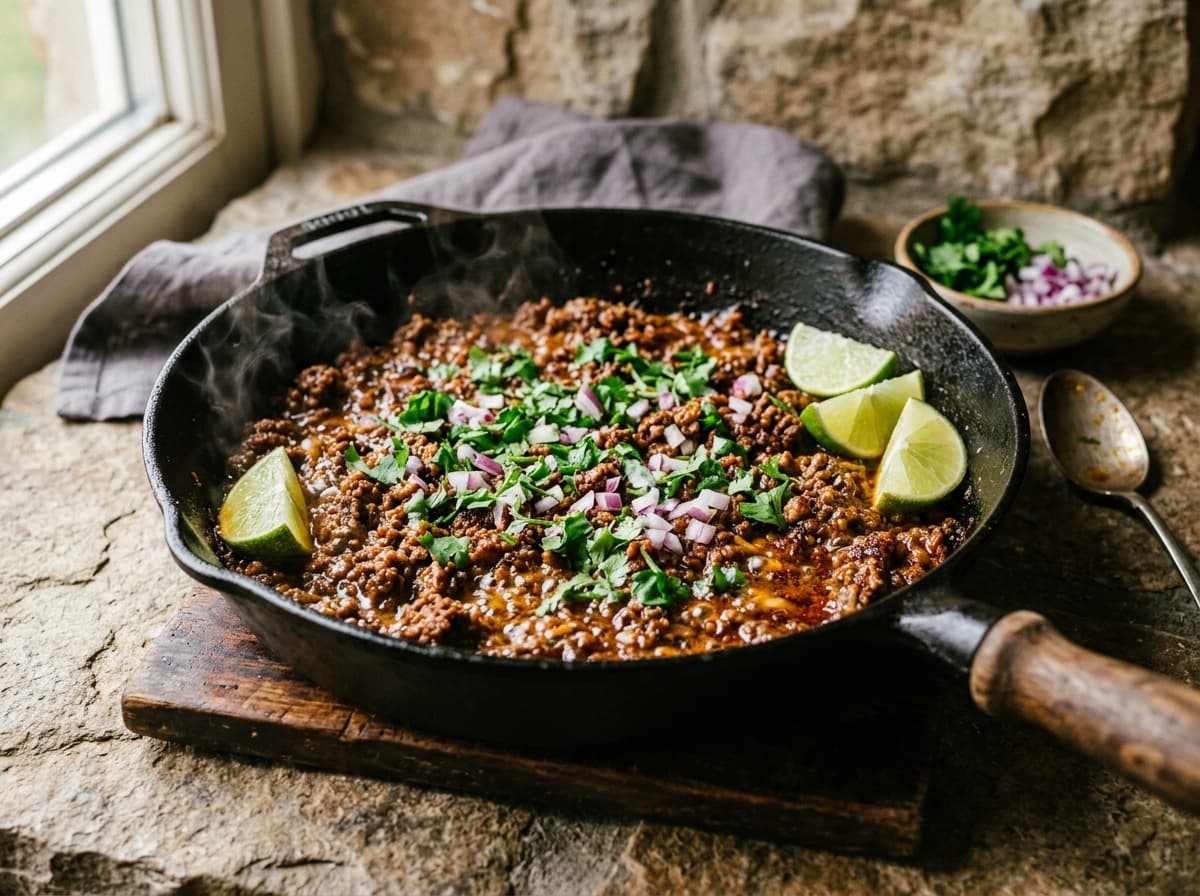
15-Minute Skillet Ground Beef Taco Meat
Juicy, seasoned ground beef from scratch in 12 minutes. Zero packet filler or starch sludge.
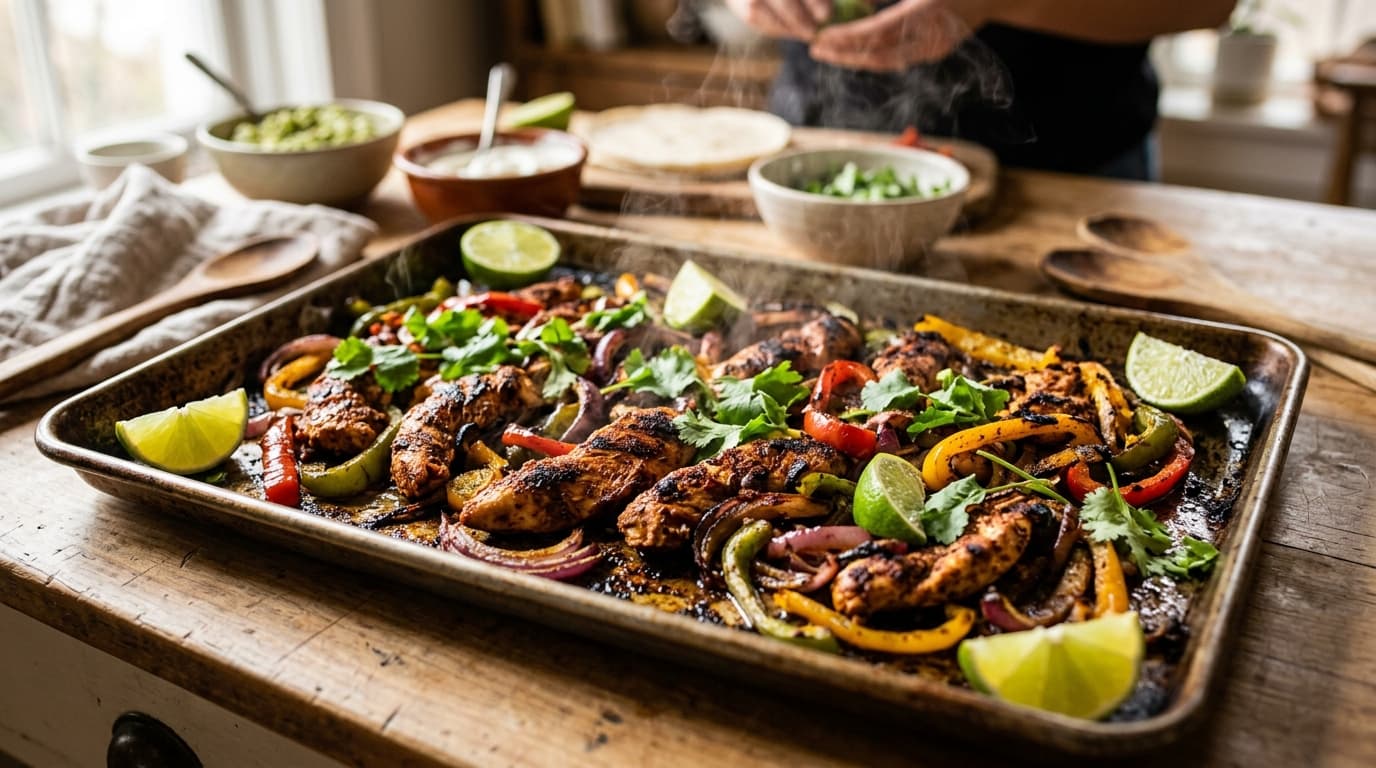
Sheet Pan Sizzling Chicken Fajitas
Tender spiced chicken breast, sweet bell peppers, and charred onions on one single pan.
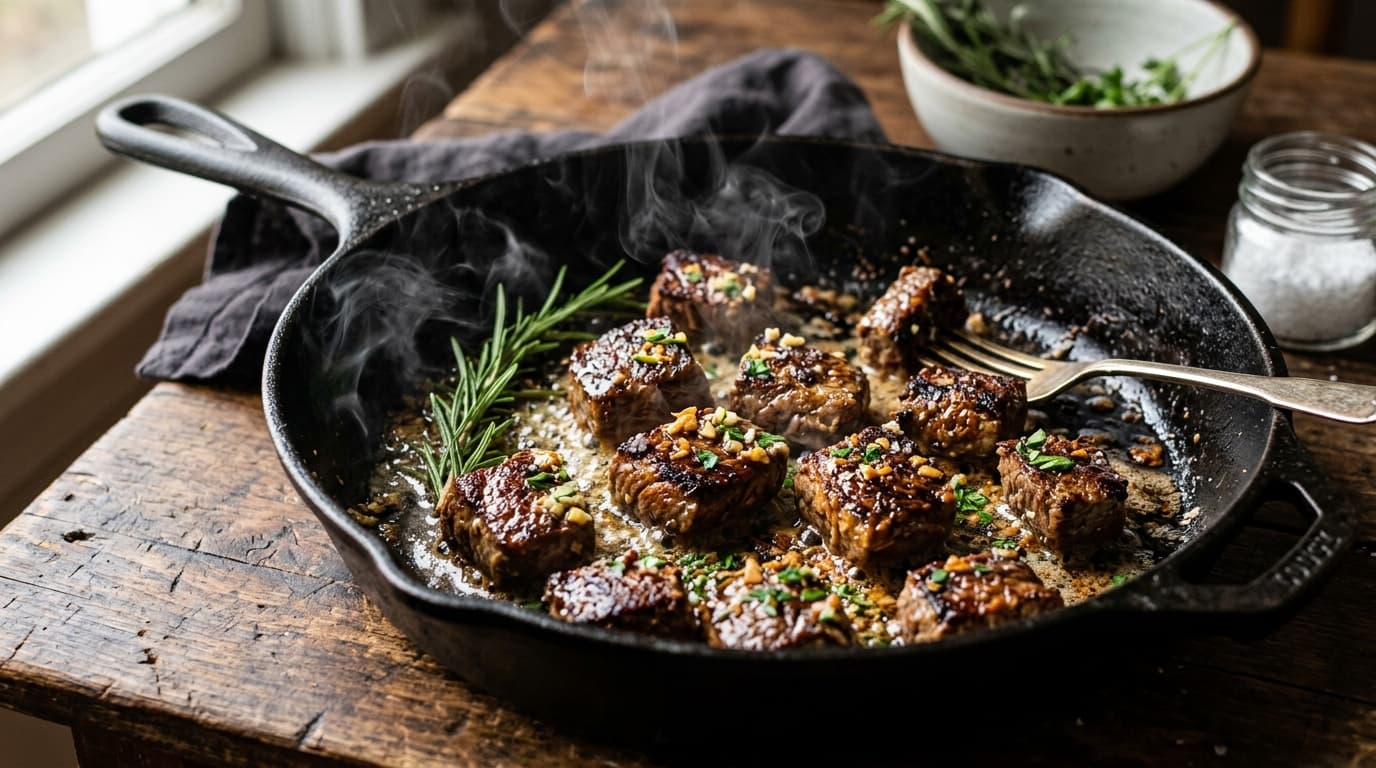
Skillet Steak Bites & Crispy Potatoes
Tender garlic butter sirloin steak cubes seared over high heat with crispy golden potato cubes in a single skillet in 15 minutes.