Dutch Oven Braising Physics: Collagen Breakdown, Gelatinization, and Low-and-Slow Heat
How tough chuck roast transforms into fork-tender pot roast through thermal hydrolysis
- [1]Collagen is a triple-helix protein that forms the tough connective tissue in hardworking muscle cuts like beef chuck, brisket, and pork shoulder.
- [2]Collagen begins denaturing at 140°F, but rapid conversion into liquid gelatin requires steady temperatures between 160°F and 190°F over 2.5 to 4 hours.
- [3]A braising liquid should only come halfway up the meat; fully submerging meat boils out flavor instead of braising.
- [4]A heavy enamelled Dutch oven lid creates an internal condensation cycle, self-basting the meat as liquid evaporates and drips back down.
The Biochemistry of Tough Meat
Cuts from hardworking muscles (beef chuck, brisket, short ribs, pork shoulder) contain high amounts of type I and type III collagen—the structural protein sheath surrounding muscle fiber bundles.
If you quick-sear a chuck roast like a steak, it will be as tough as a leather boot because collagen remains rigid.
However, when subjected to steady, moist heat:
- At 140°F (60°C): Collagen begins to contract and shrink.
- At 160°F–180°F (71°C–82°C): The tight triple-helix bonds of collagen break down through hydrolysis, converting the tough protein into gelatin.
- Gelatin absorbs up to 10 times its weight in water, coating every individual muscle fiber in a rich, silky, lip-smacking sauce that gives braised meat its luscious texture.
The Three Rules of the Perfect Dutch Oven Braise
- Rule 1: Deep Initial Sear: Brown the meat in oil on high heat before adding any braising liquid. The Maillard reaction does not occur once liquid is added.
- Rule 2: Halfway Liquid Level: The braising liquid (stock, red wine, aromatics) should only reach 1/3 to 1/2 of the way up the side of the meat.
- The submerged portion cooks via conduction (hydrolyzing collagen).
- The exposed top portion cooks via radiant convection, roasting and developing a rich glaze.
- Rule 3: Oven Temperature at 300°F–325°F: Never braise on an active stovetop burner where heat is concentrated at the bottom of the pot (causing scorching). An oven provides 360-degree radiant heat, maintaining a gentle internal pot simmer of 185°F–195°F.
Braising Time & Temperature Targets
| Cut | Target Internal Temp | Oven Temp | Time Required |
|---|---|---|---|
| Beef Chuck Roast (3–4 lbs) | 200°F–205°F | 300°F (150°C) | 3.0–3.5 hours |
| Bone-In Beef Short Ribs | 203°F–208°F | 300°F (150°C) | 3.5–4.0 hours |
| Pork Shoulder / Carnitas | 198°F–203°F | 325°F (163°C) | 2.5–3.0 hours |
| Chicken Thighs / Legs | 185°F–190°F | 350°F (177°C) | 45–55 minutes |
Technical FAQ
Q: Why is my pot roast dry even though it is cooked in liquid?
You either undercooked it (collagen has not yet melted into gelatin, leaving muscle fibers bound tight) or boiled it too hard above 212°F (forcing out all intracellular moisture). Check with a fork: if it twists easily with zero resistance, it is done.
Tested Application Recipes
ZERO FLUFF // DIRECT EXECUTION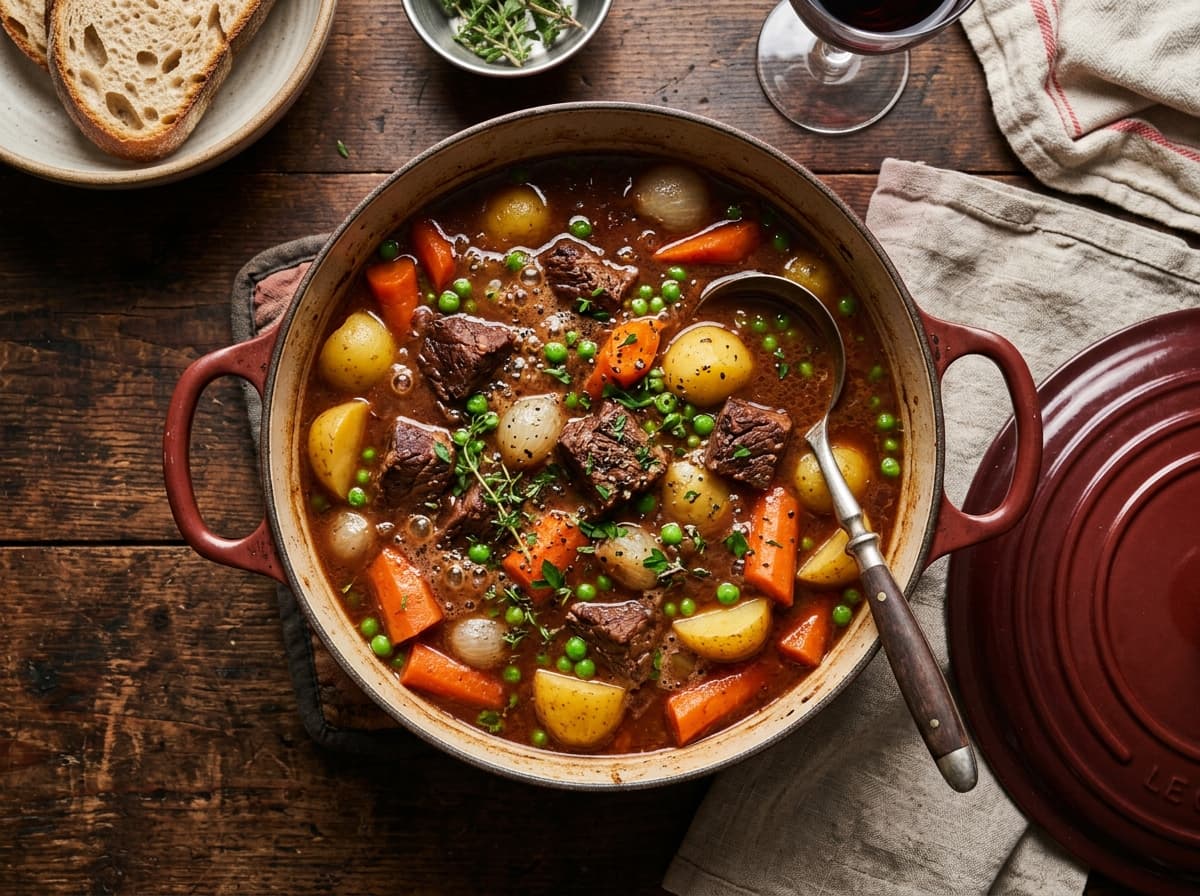
Dutch Oven Beef Stew
Tender, melt-in-your-mouth braised beef chuck simmered in rich red wine and beef broth with Yukon potatoes, carrots, and sweet peas in 2 hours.
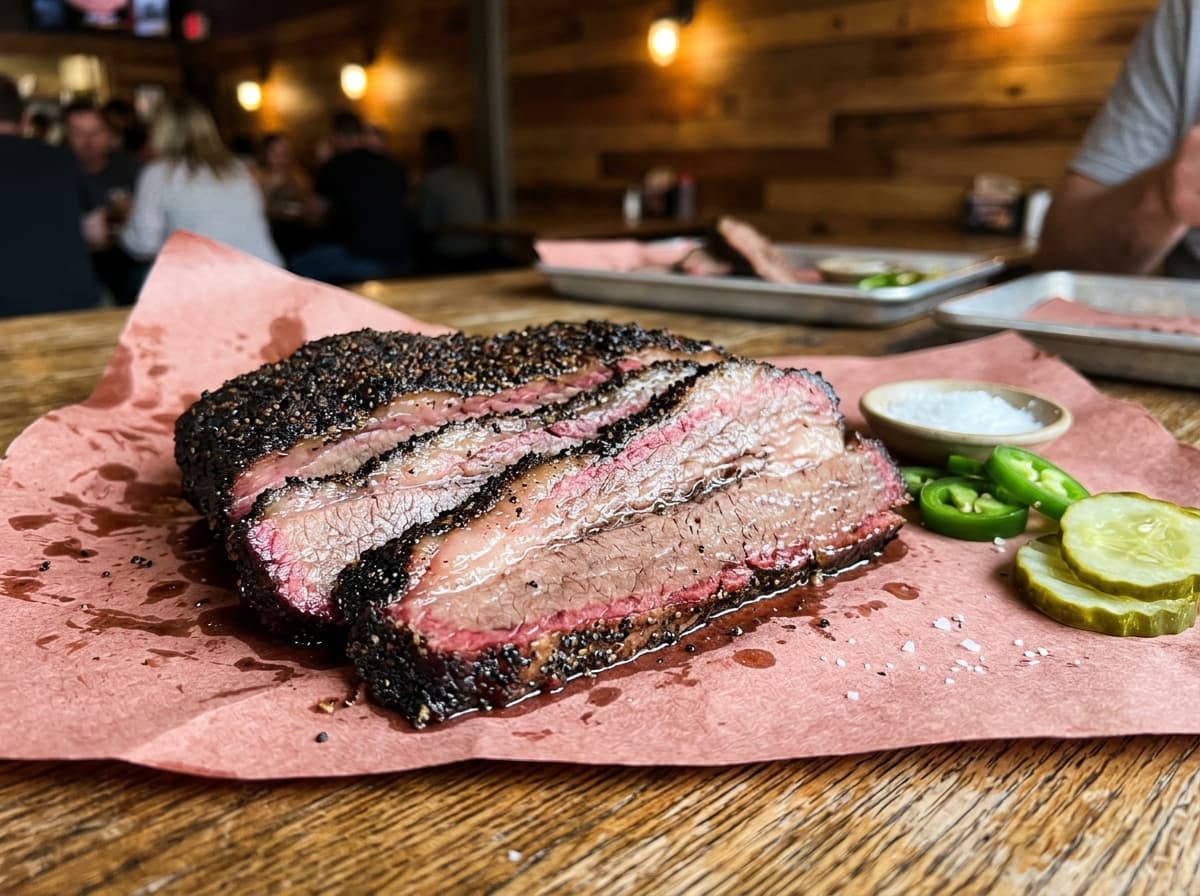
Slow Cooker Pot Roast
Fork-tender beef chuck roast slow-braised for 8 hours with baby red potatoes, thick-cut carrots, and rich savory red wine gravy.
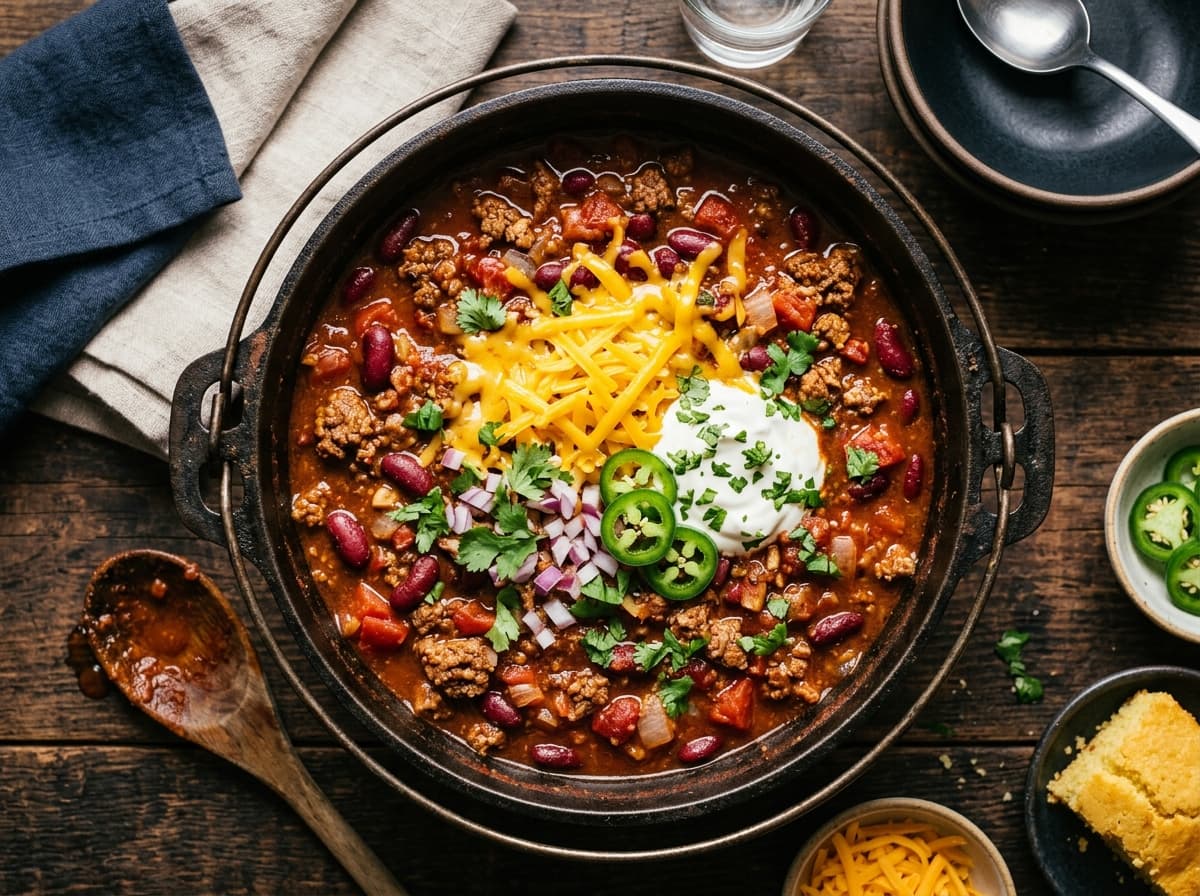
One-Pot Dutch Oven Dad Chili
Hearty ground beef, kidney beans, crushed tomatoes, and bold chili spices simmered in one heavy pot.