Cooking with Acid: Why Adding Lemon or Vinegar at the End Rescues Flat Meals
The sensory neurobiology of hydrogen ions and balancing fat, salt, and umami
- [1]Acid stimulates the submandibular salivary glands, increasing saliva production and distributing flavor molecules across all taste buds.
- [2]Hydrogen ions ($H^+$) in acidic ingredients contrast with heavy fats and rich umami, preventing palate fatigue.
- [3]Volatile aromatic acids in fresh lemon juice and delicate vinegars evaporate if added early in cooking; always add as a finishing touch off the heat.
- [4]If a soup, chili, or pan sauce tastes flat despite adequate salt, 1/2 teaspoon of apple cider vinegar or lemon juice will instantly revive it.
The Neurobiology of Sour Taste
Human taste buds detect sourness through specialized Otopetrin-1 (Otop1) proton channels on cell membranes. These channels open in the presence of hydrogen ions ($H^+$) found in acidic liquids (pH 2.0–4.0).
When acid touches the tongue:
- It triggers an immediate surge of saliva production.
- Increased saliva dissolves aromatic flavor compounds and washes them rapidly across the tongue and retro-nasal olfactory receptors.
- The brain perceives the entire flavor profile as sharper, brighter, and more vivid.
The "Flat Meal" Trap
Home cooks frequently encounter this problem:
- You taste your slow-cooked chili, beef stew, or creamy pasta.
- It tastes dull, heavy, and monotonous.
- You add more salt, but it just tastes saltier without tasting better.
The Diagnosis: The dish has plenty of salt and fat, but lacks acidic contrast. Heavy fats coat the tongue, deadening taste receptors. Adding a splash of acid cuts through the fat film, cleansing the palate between bites.
Acids and When to Deploy Them
| Acid Source | Key Acid Compound | pH Level | Best Culinary Pairing |
|---|---|---|---|
| Fresh Lemon / Lime Juice | Citric Acid | ~2.2 | Fish, grilled chicken, tacos, butter pan sauces |
| Apple Cider Vinegar | Acetic + Malic Acid | ~2.8 | Pork chops, chili, barbecue sauces, braised greens |
| Red Wine / Sherry Vinegar | Acetic + Tartaric Acid | ~2.6 | Beef stew, tomato sauces, pan reductions, dressings |
| Rice Vinegar (Unseasoned) | Acetic Acid | ~3.0 | Stir-fries, Asian glazes, dipping sauces |
| Fermented Pickle Juice | Lactic + Acetic Acid | ~3.2 | Potato salad, fried chicken brines, burger sauces |
The Golden Rule of Late-Stage Addition
Heat degrades delicate aromatic volatile organic acids.
- Simmering Acids (Red wine, canned tomatoes): Add early to cook off harsh raw alcohol and allow tannins to mellow.
- Finishing Acids (Fresh lemon juice, sherry vinegar, raw lime): Add in the final 10 seconds of cooking off the heat. A single squeeze of fresh lemon right before serving elevates a dish from amateur to restaurant caliber.
Technical FAQ
Q: What should I do if I accidentally added too much vinegar or lemon juice?
Do not add baking soda (it leaves a soapy chemical taste). Instead, balance excess acid by adding fat (butter, cream, or olive oil), a pinch of sugar or honey, or diluting with unsalted stock.
Tested Application Recipes
ZERO FLUFF // DIRECT EXECUTION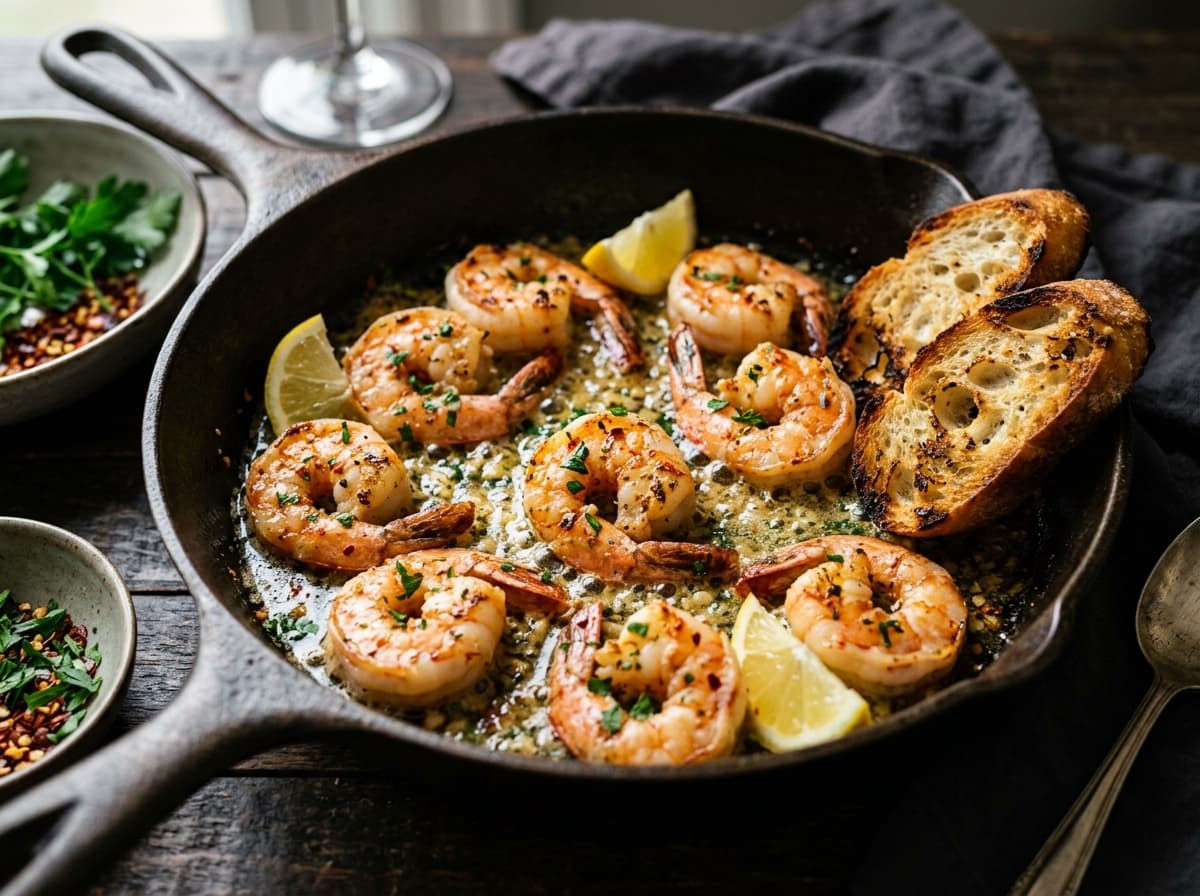
15-Minute Skillet Lemon Garlic Butter Shrimp
Sweet jumbo shrimp seared in foaming garlic herb butter with fresh lemon in 6 minutes.
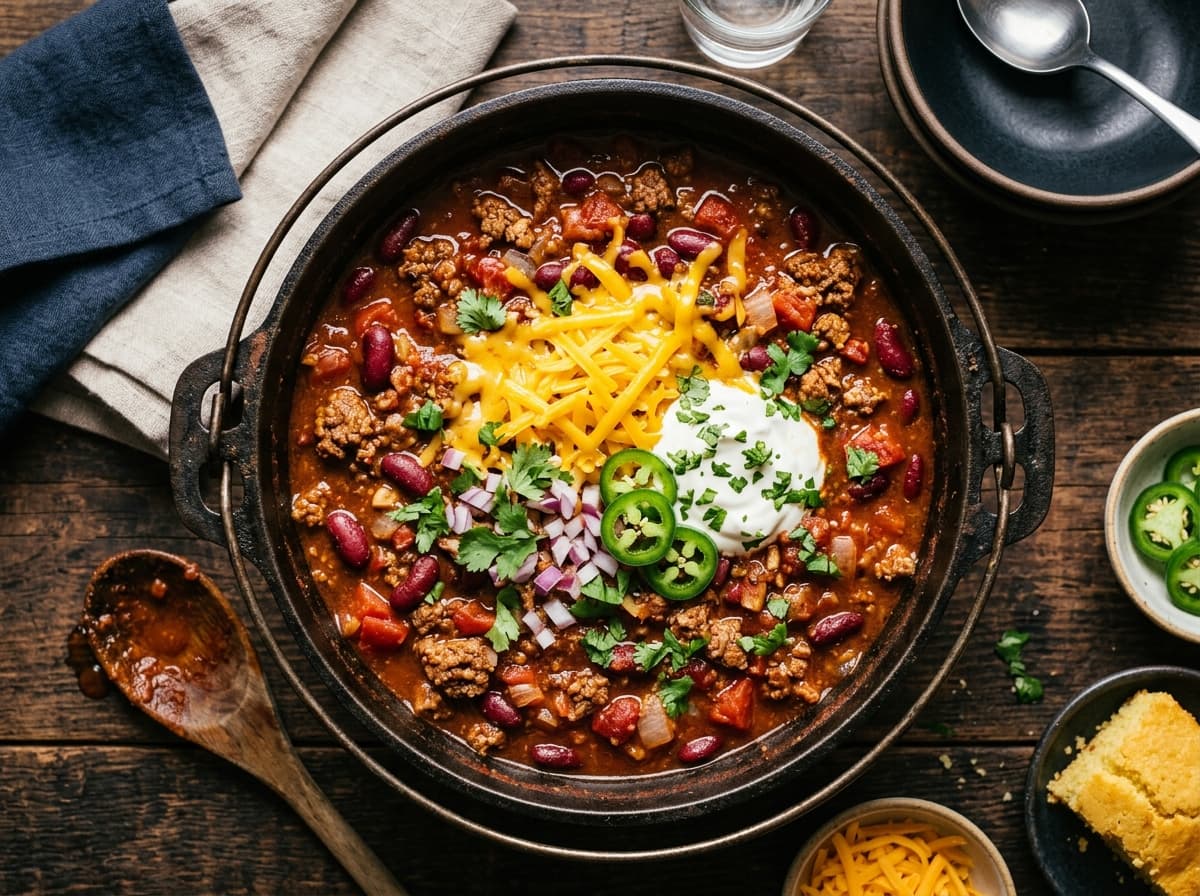
One-Pot Dutch Oven Dad Chili
Hearty ground beef, kidney beans, crushed tomatoes, and bold chili spices simmered in one heavy pot.
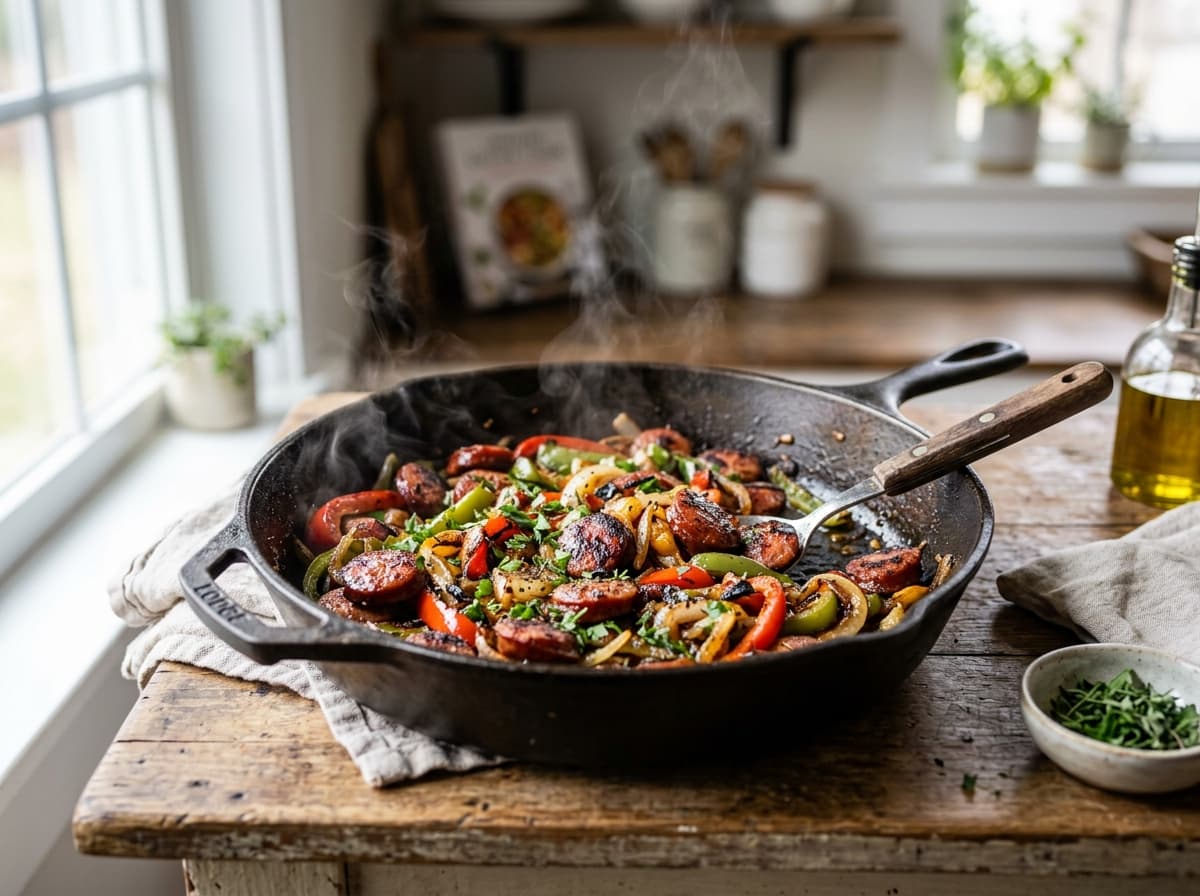
Skillet Sausage & Peppers (Sub Filling)
Juicy Italian sausage rounds seared with caramelized bell peppers and sweet onions, ready for crusty hoagie sub rolls in 15 minutes.