Why Nonstick PTFE Coatings Degrade: Heat Thresholds, Aerosols, and Pan Longevity
The thermodynamics of fluoropolymer breakdown and how home cooks accidentally destroy pans in 6 months
- [1]Polytetrafluoroethylene (PTFE) begins microscopic thermal breakdown at 500°F (260°C) and emits fluoropolymer off-gas above 570°F (300°C).
- [2]An empty nonstick pan placed on a high-heat gas burner reaches 500°F in under 90 seconds.
- [3]Aerosol cooking sprays contain soy lecithin, which burns at 250°F and permanently fuses to the PTFE pores, creating a sticky, ruined surface.
- [4]Dishwashers destroy nonstick coatings through caustic detergents and thermal shock; always hand-wash with a soft sponge.
The Molecular Fragility of PTFE
Modern nonstick cookware uses polytetrafluoroethylene (PTFE), a fluoropolymer known for its low coefficient of friction.
However, PTFE is structurally vulnerable to temperature and chemical exposure:
- At Room Temp to 400°F (204°C): Stable, inert, and non-reactive.
- At 500°F (260°C): The polymer chains begin thermal degradation, weakening the mechanical bond between the coating and the aluminum base.
- At 570°F (300°C): PTFE undergoes active pyrolysis, releasing toxic microscopic particles and fluoropolymer gases (dangerous to birds and causing polymer fume fever in humans).
The 3 Killers of Nonstick Cookware
- Killer 1: The Dry Preheat on High Heat:
- Putting an empty nonstick skillet on a high burner while prepping ingredients causes the pan to spike past 550°F in under 2 minutes.
- Fix: Always add butter or oil before turning on the burner, and never heat past medium.
- Killer 2: Aerosol Cooking Spray (PAM / Store Brands):
- Aerosol sprays contain soy lecithin (an emulsifier) and chemical propellants (isobutane/propane).
- Lecithin burns and polymerizes at low temperatures, permanently carbonizing into the microscopic valleys of the PTFE. This leaves a gummy yellow film that cannot be cleaned off without stripping the coating.
- Fix: Use a refillable pump oil mister or a dab of fresh butter.
- Killer 3: Thermal Shock (Cold Water in a Hot Pan):
- Rinsing a hot 350°F pan with cold tap water causes the aluminum base to contract faster than the PTFE coating, causing the nonstick layer to crack, buckle, and peel.
The Proper Tool for the Job
Reserve nonstick pans strictly for:
- Scrambled eggs and delicate omelets
- Crepes and pancakes
- Gentle reheating of fish cutlets
Never use nonstick for steaks, smash burgers, blackened fish, or high-heat searing—use cast iron, stainless steel, or carbon steel instead.
Technical FAQ
Q: How long should a quality nonstick pan realistically last?
With proper medium-heat use, hand-washing, and silicone/wooden utensils, a good tri-ply nonstick pan lasts 3 to 5 years. Used on high heat with cooking sprays, it will degrade in 6 months.
Tested Application Recipes
ZERO FLUFF // DIRECT EXECUTION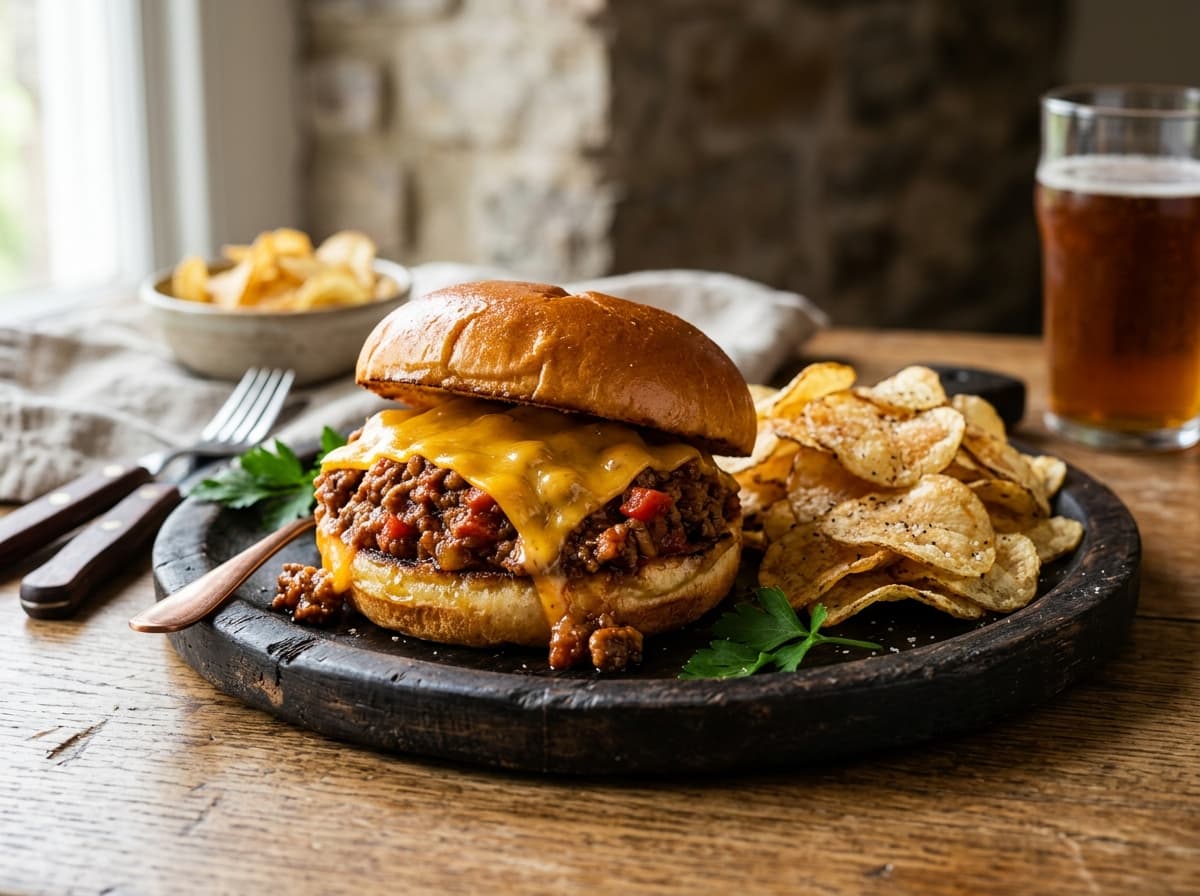
15-Minute Skillet Turkey Sloppy Joes
Sweet, tangy, scratch-made sloppy joe filling using lean ground turkey ready in 15 minutes flat on toasted brioche buns.
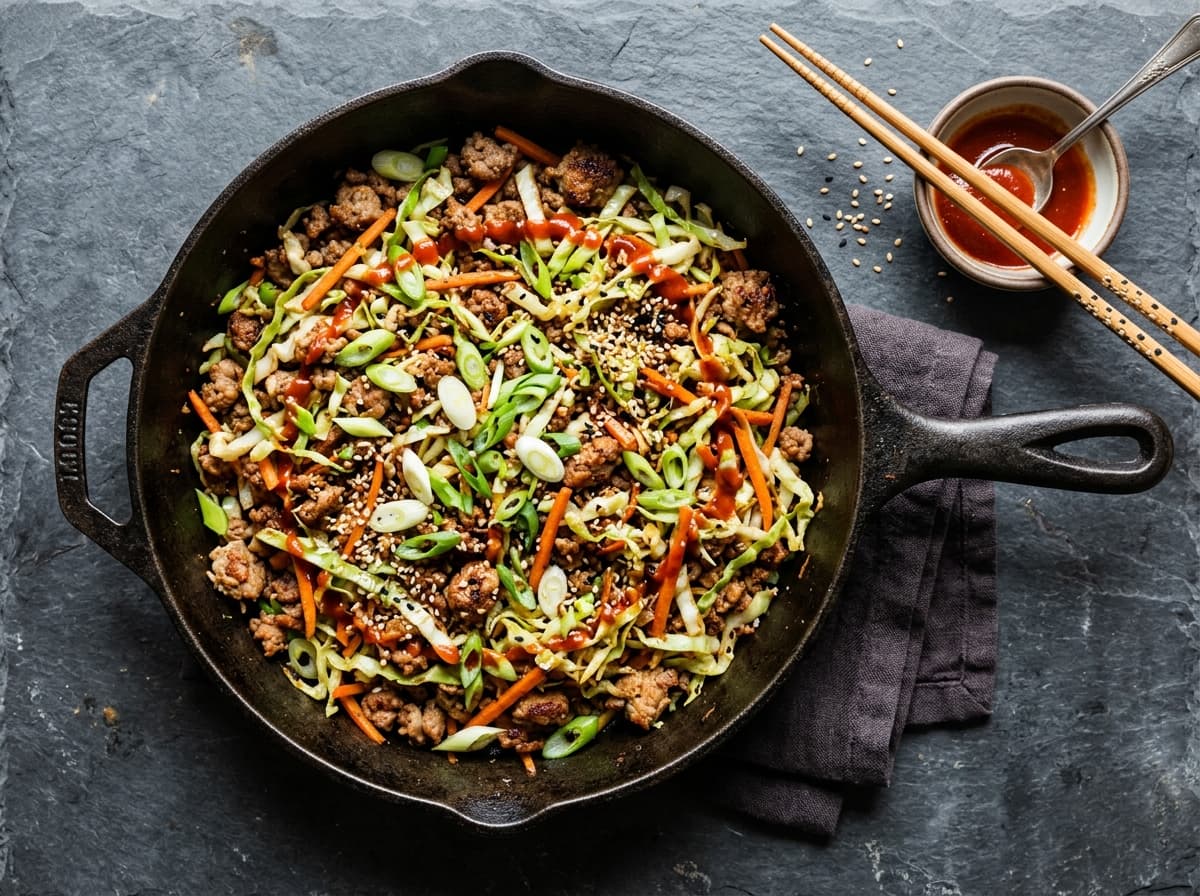
15-Minute Skillet Egg Roll in a Bowl
Savory ground pork, shredded crunchy cabbage, and toasted sesame ginger sauce in 12 minutes.