How to Store Fresh Herbs for Weeks: Moisture Transpiration, Ethylene Gas, and Mason Jar Physics
Why plastic grocery clamshells turn cilantro and parsley into black slime within 4 days
- [1]Herbs decay through two primary mechanisms: moisture loss (wilting) and trapped condensation leading to bacterial decay (black slime).
- [2]Tender herbs (cilantro, parsley, dill, mint) behave like cut flowers; store upright in a jar with 1 inch of water covered loosely with a plastic bag in the fridge.
- [3]Woody herbs (rosemary, thyme, sage, oregano) have low transpiration rates; wrap loosely in a damp paper towel inside an airtight container in the fridge.
- [4]Fresh Basil is cold-sensitive (chilling injury occurs below 50°F / 10°C); store basil in a water jar on the counter at room temperature.
The Two Categories of Fresh Culinary Herbs
Grocery store clamshells trap humidity and ethylene gas, turning delicate leaves into black, decomposed sludge within days.
To preserve freshness, you must categorize herbs by their botanical stem structure:
Category 1: Tender Herbs (Cilantro, Parsley, Mint, Dill, Tarragon)
These plants have soft, vascular green stems that continually draw water via capillary action.
The Mason Jar Vase Protocol:
- Trim 1/2 inch off the bottom of the stems with sharp kitchen shears.
- Place the bunch upright in a glass jar or cup with 1 inch of cold water at the bottom (ensure leaves remain above the water line).
- Place a clean plastic produce bag loosely over the leaves like a tent.
- Store in the refrigerator door. Change the water every 4–5 days.
Longevity: 3 to 4 weeks.
Category 2: Woody Herbs (Rosemary, Thyme, Sage, Oregano)
These herbs originate in arid Mediterranean climates and have dense, fibrous, lignified stems with waxy, low-transpiration leaves.
The Damp Wrap Protocol:
- Do not wash until ready to cook.
- Dampen a paper towel (wring out so it is 90% dry).
- Wrap the herb sprigs loosely in the towel.
- Place inside an airtight glass container or zip-top bag in the vegetable crisper drawer.
Longevity: 4 to 6 weeks.
The Basil Exception (Chilling Injury)
Basil is native to tropical India and Southeast Asia.
- At refrigerator temperatures (35°F–38°F), basil cells undergo chilling injury: cell walls collapse, enzymes oxidize, and leaves turn black within 12 hours.
- Rule: Store basil like flowers in a water glass on your kitchen counter at room temperature, away from direct sunlight.
Technical FAQ
Q: Can I freeze fresh herbs for later use?
Yes, for cooked dishes. Finely chop herbs, pack them into silicone ice cube trays, cover with olive oil or melted butter, and freeze. Pop a cube directly into hot skillets, soups, or sauces.
Tested Application Recipes
ZERO FLUFF // DIRECT EXECUTION
Sheet Pan Honey Garlic Salmon & Green Beans
Glazed tender salmon fillets and blistered green beans roasted together in 14 minutes.
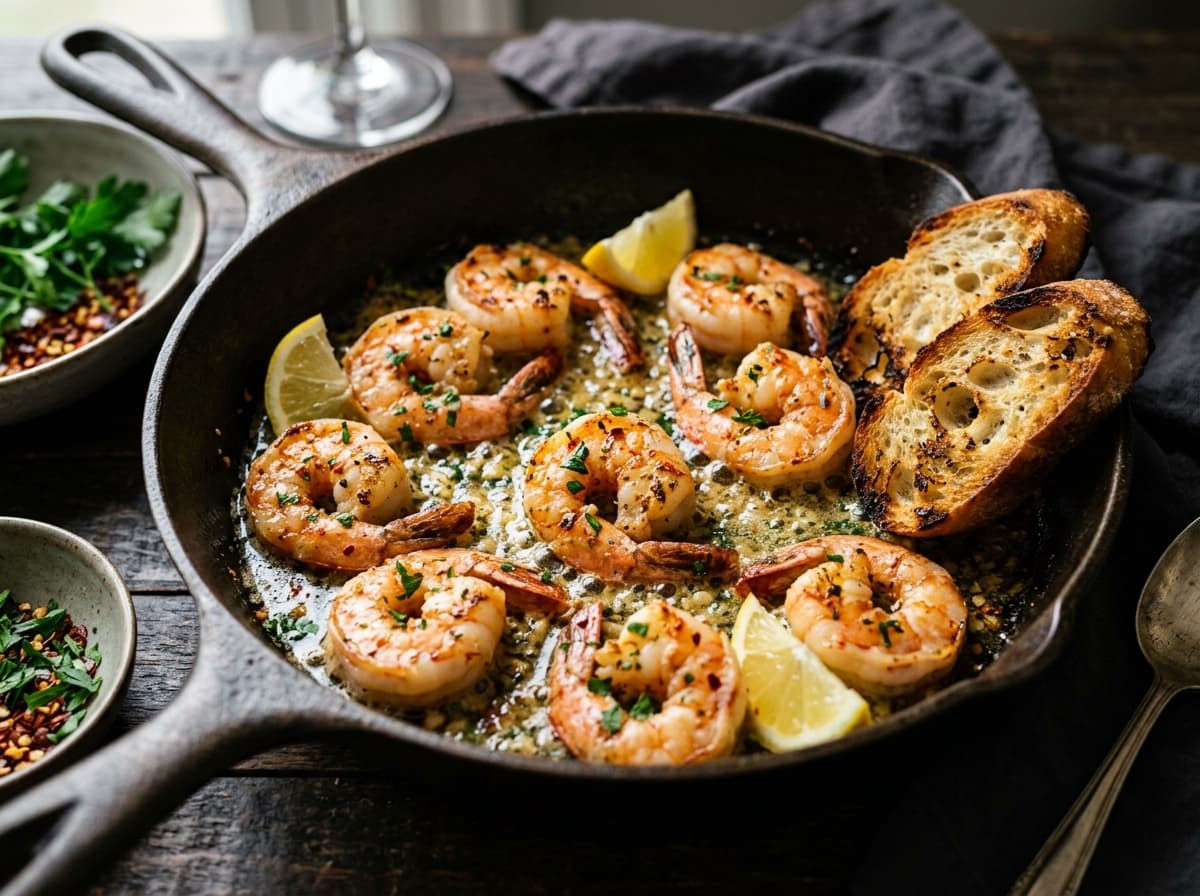
15-Minute Skillet Lemon Garlic Butter Shrimp
Sweet jumbo shrimp seared in foaming garlic herb butter with fresh lemon in 6 minutes.

One-Pot Dutch Oven Dad Chili
Hearty ground beef, kidney beans, crushed tomatoes, and bold chili spices simmered in one heavy pot.