The Complete Guide to Safe Internal Meat Temperatures: USDA vs Culinary Targets
A scientifically grounded reference separating legal instant-kill targets from resting pasteurization thresholds
- [1]USDA guidelines cite instantaneous pathogen kill temperatures; safe pasteurization is actually a function of both Temperature AND Dwell Time.
- [2]Whole Beef & Lamb steaks are sterile on the interior; bacteria only live on the exterior surface, making 125°F–135°F medium-rare completely safe once seared.
- [3]Ground Meats (Beef, Pork, Turkey) mix surface bacteria throughout the entire grind and MUST reach 160°F (Beef/Pork) or 165°F (Poultry).
- [4]Whole Pork cuts are fully safe at 145°F with a 3-minute rest under modern USDA guidelines.
The Difference Between Instant Kill and Dwell Pasteurization
Most home cooks are taught a single rigid rule: "Poultry must reach 165°F, pork must reach 160°F, beef must reach 160°F."
These single-number targets are designed by the USDA for commercial cafeterias and high-turnover institutions where holding food for measured dwell times is difficult to regulate.
In food microbiology, pathogen lethality is logarithmic ($D$-value reduction). A 7-log reduction (killing 99.99999% of Salmonella or E. coli) occurs in two ways:
- Instantaneous Flash Kill: Reaching 165°F for <1 second.
- Thermal Dwell Pasteurization: Reaching 155°F and holding for 44 seconds, or 150°F and holding for 2.7 minutes.
Master Temperature Reference Table
| Protein & Cut | USDA Instant Minimum | Culinary Chef Target (Pull Temp) | Peak Rested Temp | Safety & Texture Notes |
|---|---|---|---|---|
| Beef Steak (Ribeye/Strip) - Rare | 145°F (Overcooked) | 120°F–122°F | 125°F–128°F | Deep red center, maximum juice |
| Beef Steak - Medium-Rare | 145°F | 128°F–130°F | 134°F–136°F | Warm red/pink center (Optimal) |
| Beef Steak - Medium | 145°F | 138°F–140°F | 143°F–145°F | Warm pink center, firm texture |
| Ground Beef / Smash Burgers | 160°F (71°C) | 155°F (pull) | 160°F | Bacteria distributed throughout grind |
| Pork Chops & Tenderloin | 145°F (63°C) | 138°F–140°F | 145°F (+3m rest) | Pale pink blush, extremely juicy |
| Chicken & Turkey Breast | 165°F (74°C) | 158°F–160°F | 164°F–165°F | Tender, juicy; pasteurizes during 5m rest |
| Chicken Thighs & Wings | 165°F | 175°F–185°F | 180°F–188°F | Collagen melts into gelatin; rubbery if pulled at 165°F |
| Salmon & Halibut | 145°F (Chalky) | 122°F–125°F | 128°F–130°F | Silky, translucent flakes |
| Pork Shoulder / Brisket | 145°F | 200°F–205°F | 203°F–208°F | Low-and-slow collagen breakdown |
Why Chicken Thighs Require 175°F+
While chicken breast dries out above 158°F, dark meat (thighs, drumsticks, wings) behaves in the exact opposite manner:
- Dark meat is rich in intramuscular fat and connective collagen.
- At 165°F, dark meat feels slimy, rubbery, and chewy.
- Cooking dark meat to 175°F–185°F (79°C–85°C) allows collagen to melt into liquid gelatin, yielding succulent, fall-off-the-bone meat.
Technical FAQ
Q: Where should I insert the thermometer probe in poultry?
Insert the probe into the thickest part of the breast or thigh, avoiding direct contact with bone. Bones conduct heat faster than muscle tissue and will give a falsely high temperature reading.
Tested Application Recipes
ZERO FLUFF // DIRECT EXECUTION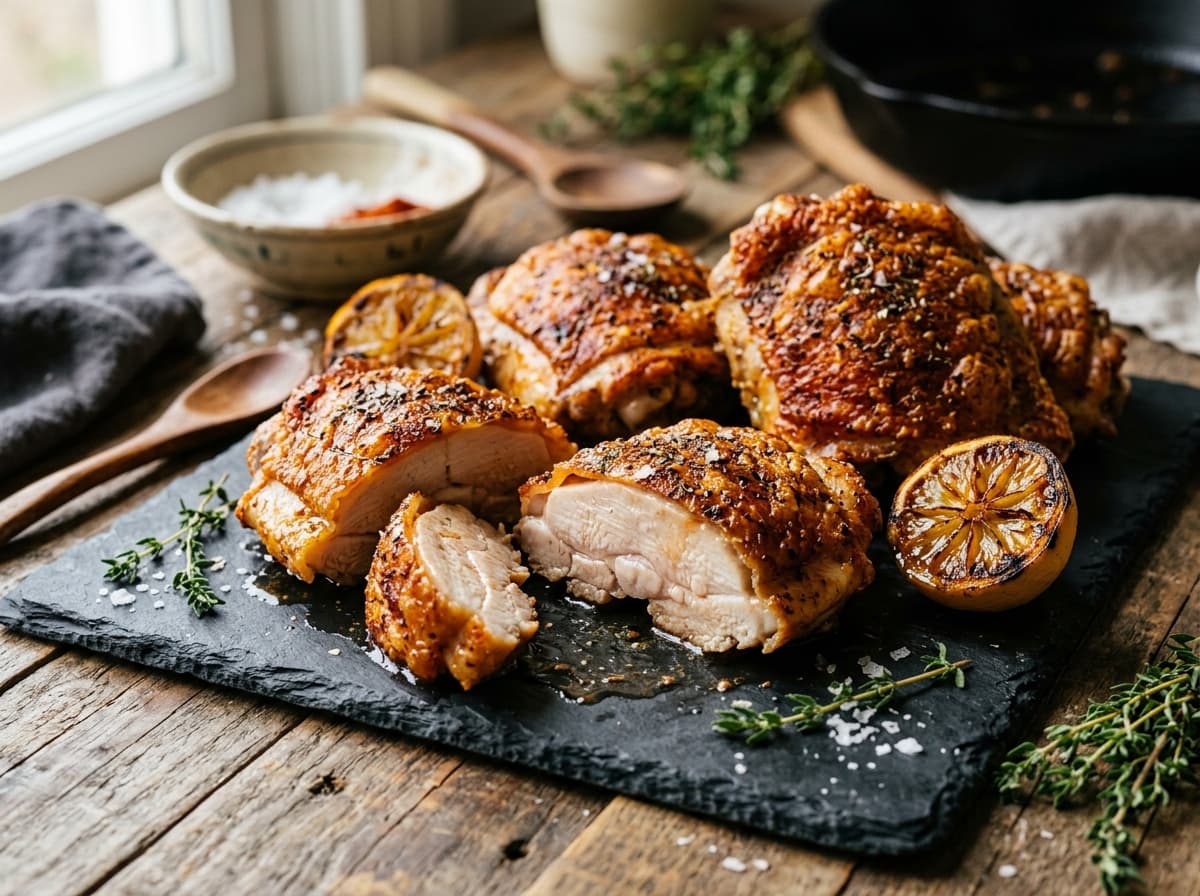
Air Fryer Crispy-Skin Bone-In Chicken Thighs
Shatteringly crisp chicken skin on the outside with fall-apart juicy meat inside using the cheapest cut in the poultry aisle.
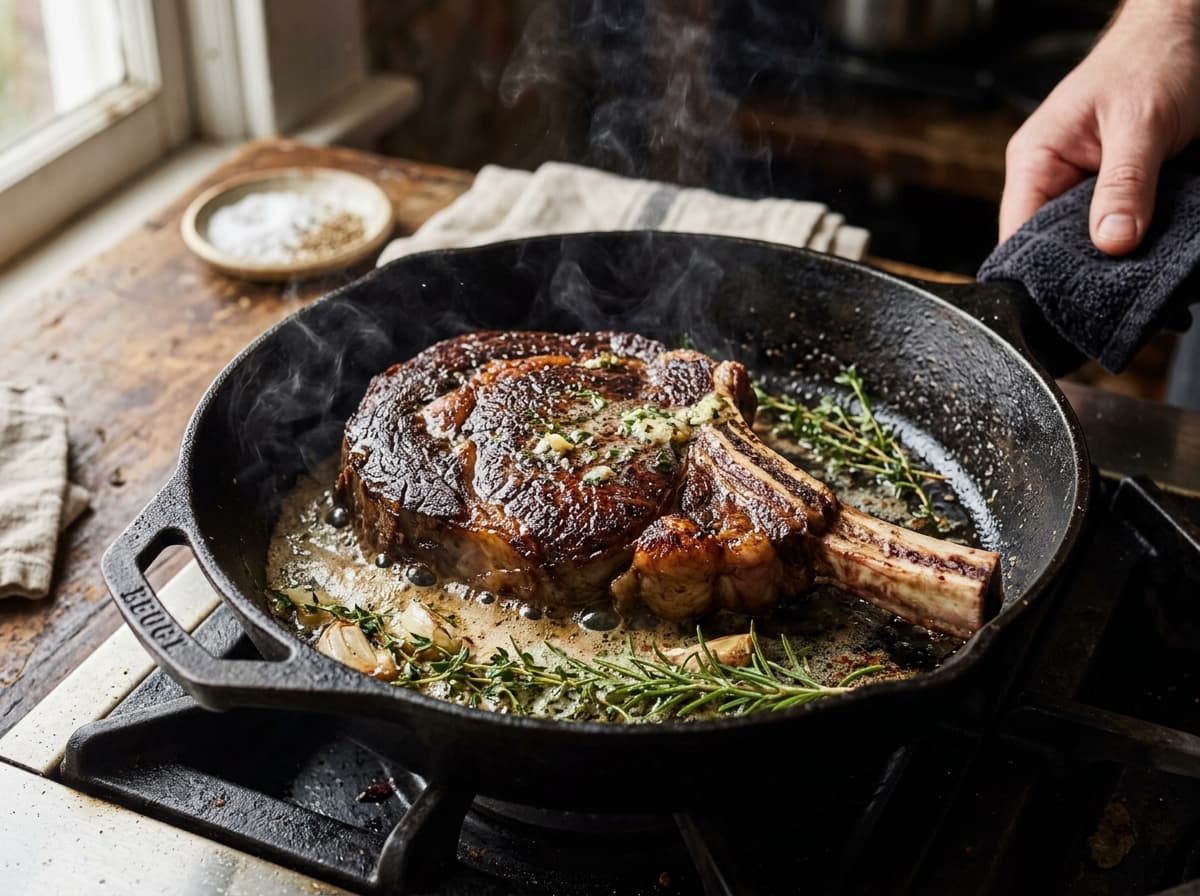
Cast Iron Butter-Basted Ribeye Steak
Restaurant-quality steakhouse sear with garlic herb butter pan basting in 8 minutes.
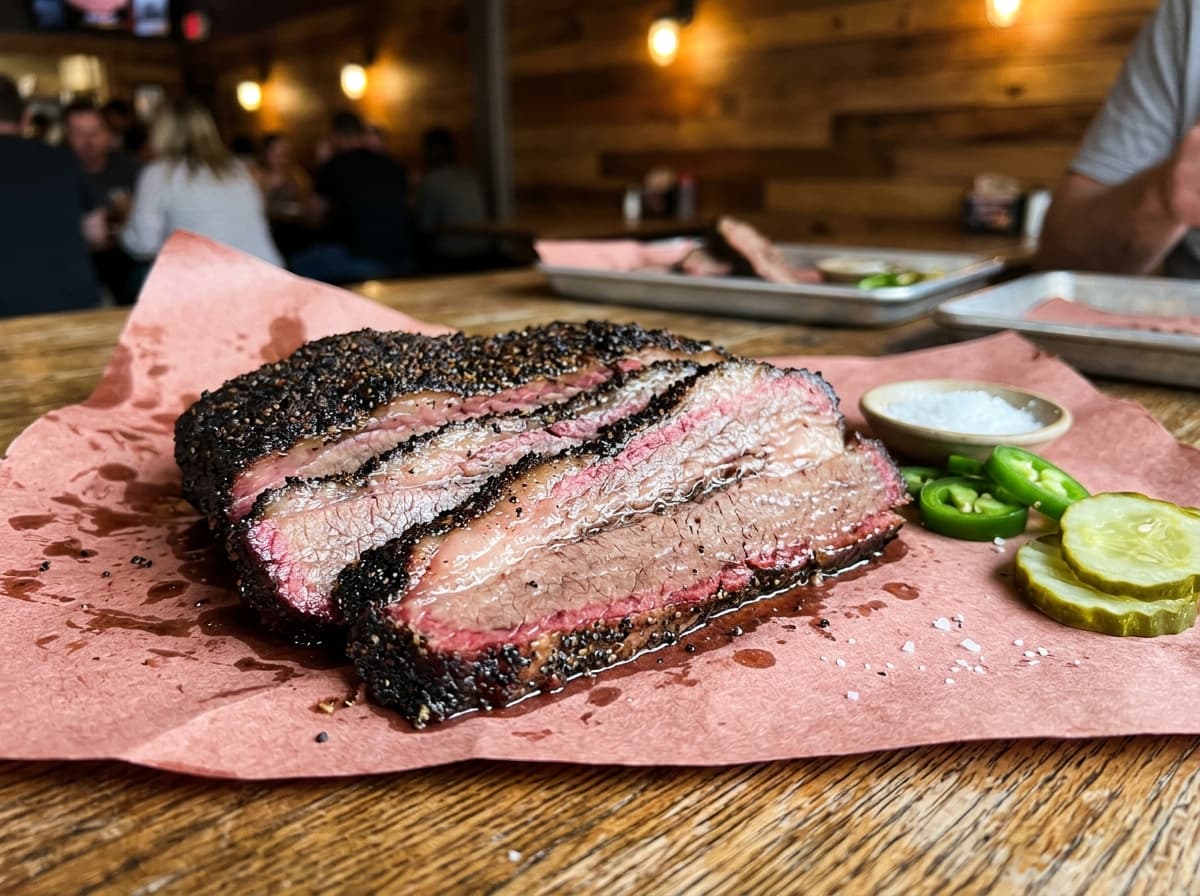
Smoked Texas-Style Beef Brisket
Whole packer beef brisket smoked low and slow at 225°F over oak wood with a coarse salt-and-pepper bark and melt-in-your-mouth fat rendering.